
Closes at
See all
Img canvas

Saturday 21
March 2026

Tudor Starting in

D ::

Pavia -

Sanremo

profile

map

technical info

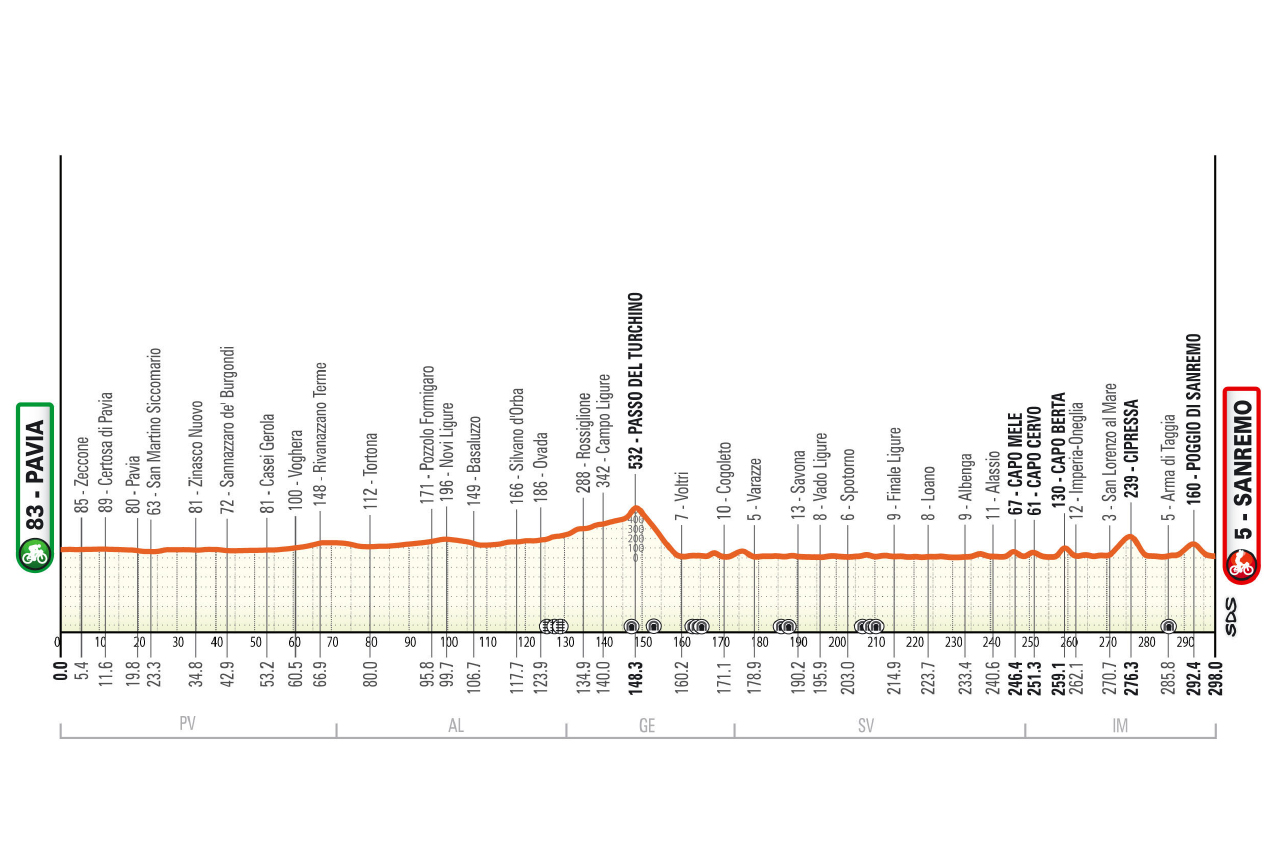
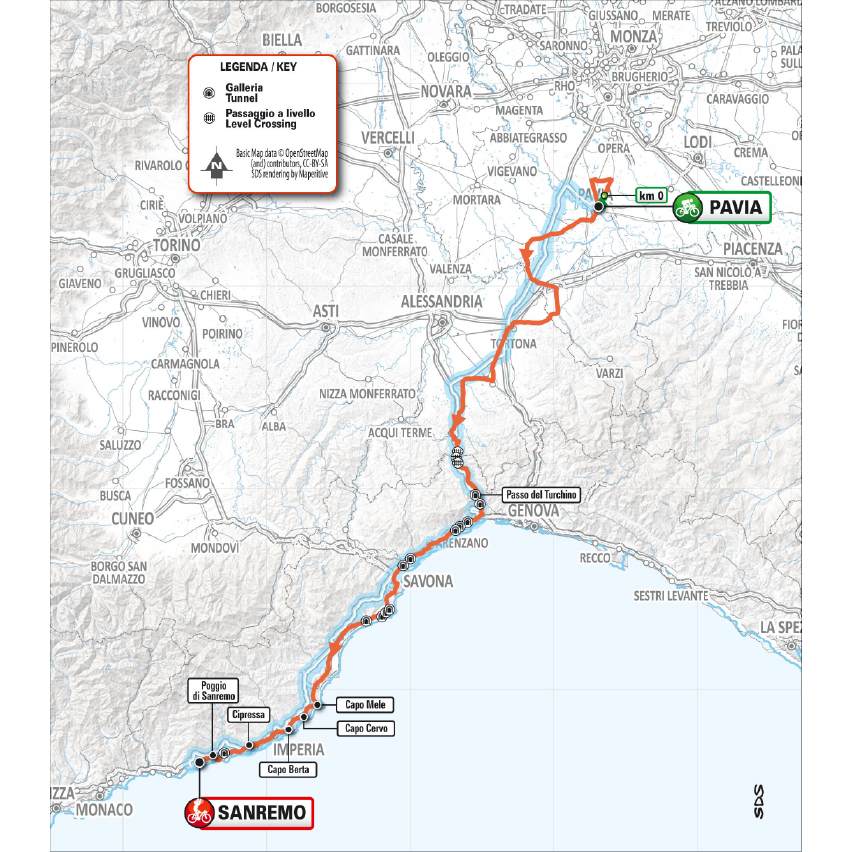
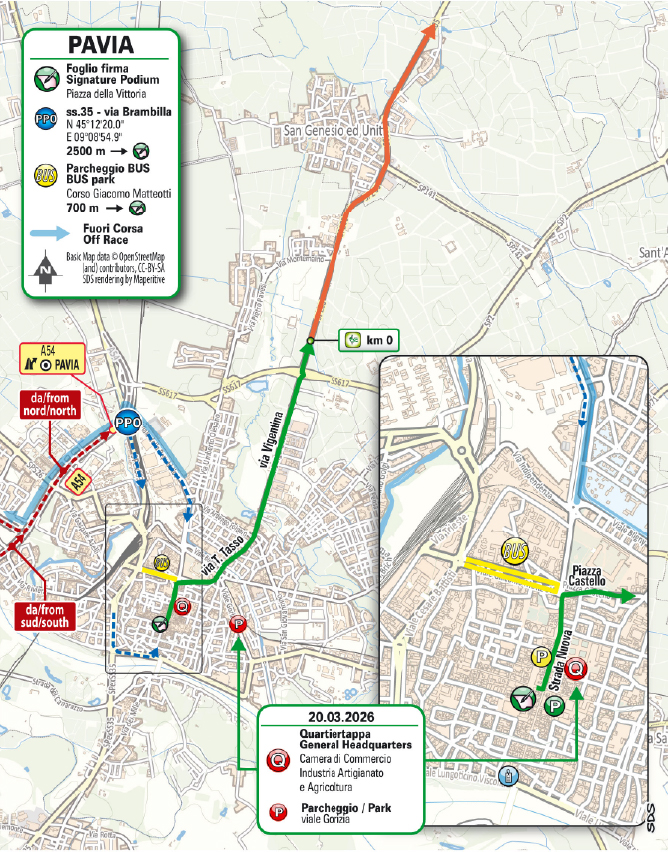
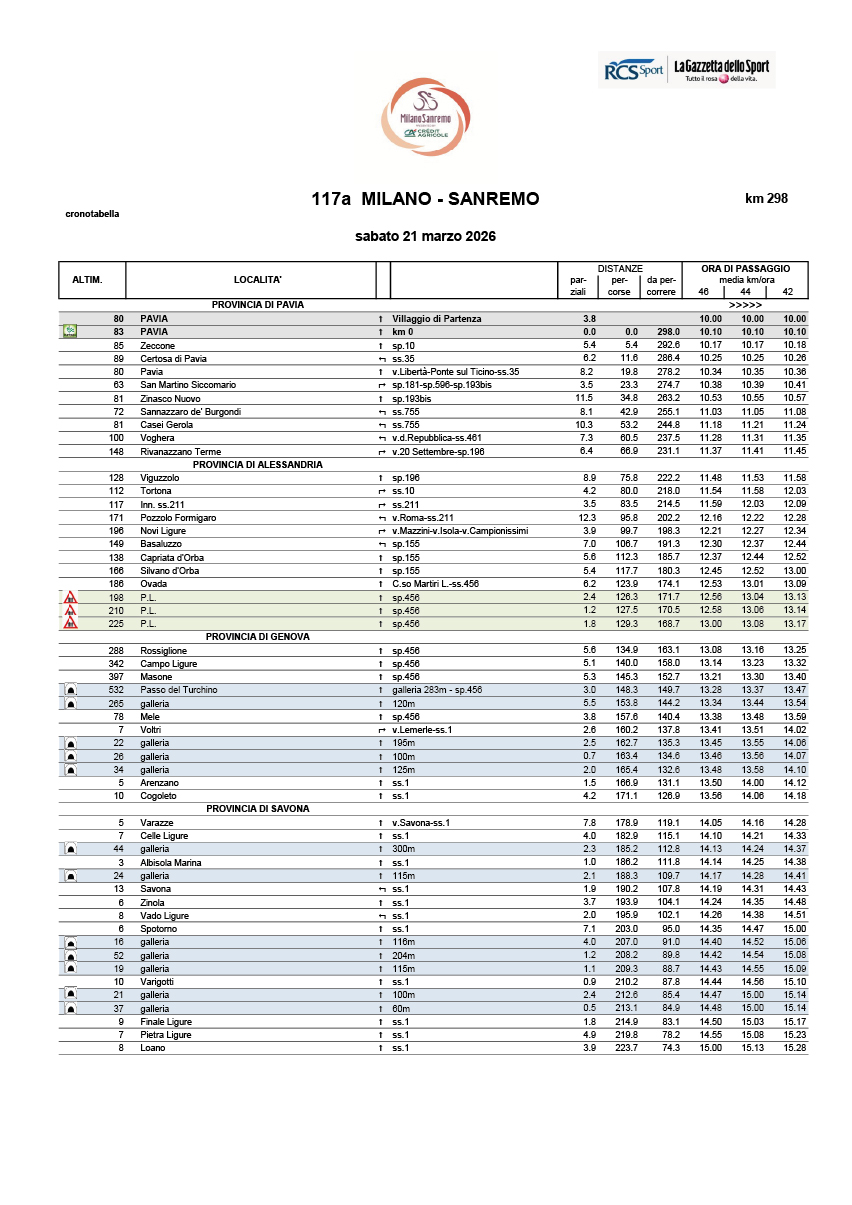
The 2026 Milano–Sanremo sets off from Pavia, heading north towards Milan, the race’s historic starting point, before reaching the Certosa, where it rejoins the traditional course. After a second passage through Pavia, the peloton ventures onto new roads, crossing Sannazzaro de’ Burgondi and Casei Gerola, before reconnecting with the 2025 route in Voghera. It was there last year that an additional detour through the Pavese area was introduced, passing Rivanazzano and Salice Terme, before rejoining the classic route in Tortona.
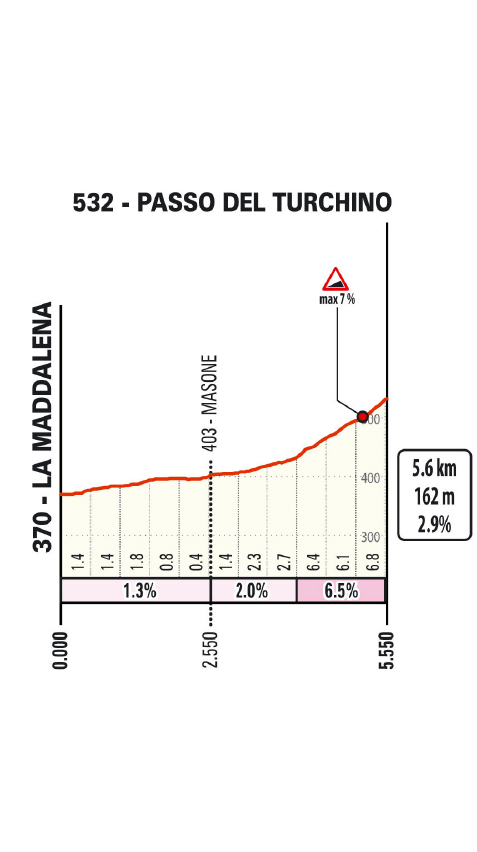
From that point to the finish, the race follows the road that for more than 110 years has linked Milan to the Ligurian Riviera, passing through Ovada and tackling the Passo del Turchino before descending towards Genova-Voltri.
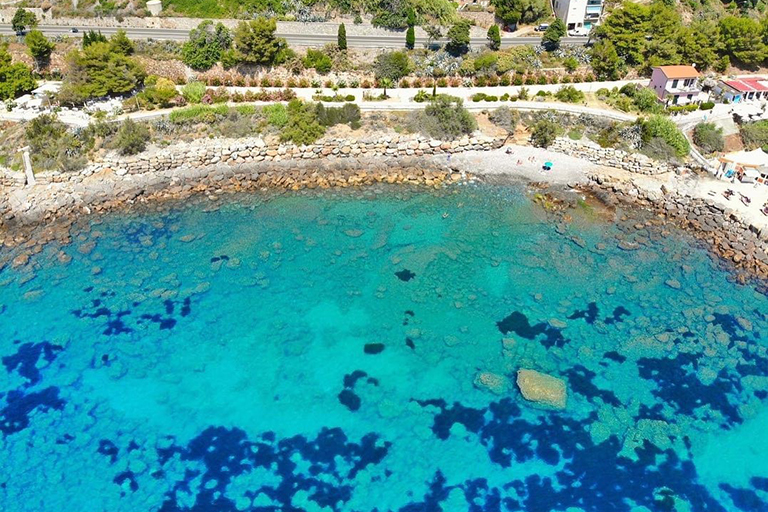
The race then heads west along the coastline on the SS1 Aurelia, skirting the sea through Varazze, Savona and Albenga (the climb of Le Manie, tackled between 2008 and 2013, is not included), before reaching Imperia.
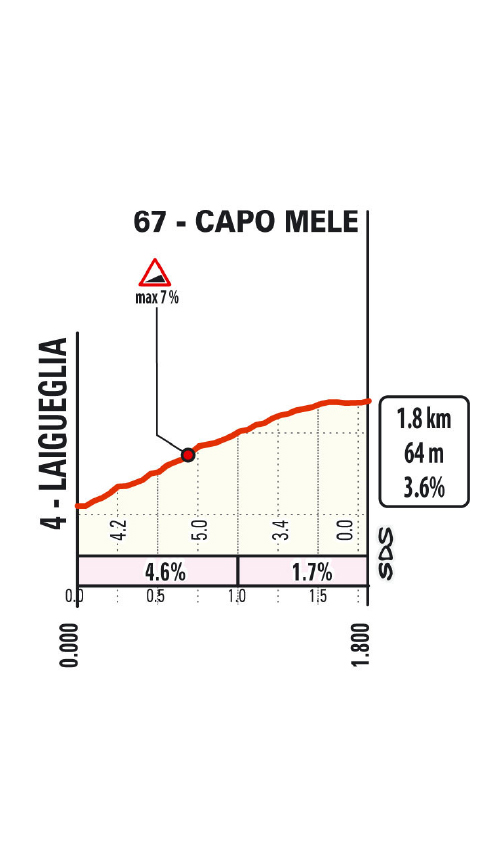
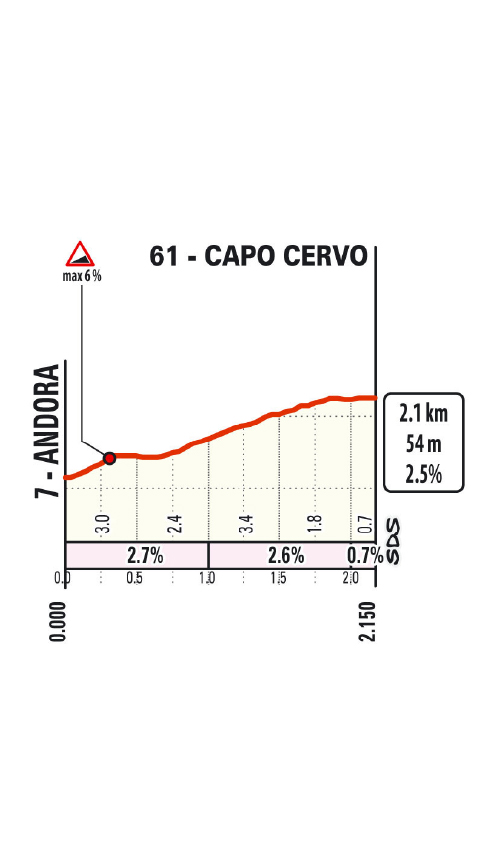
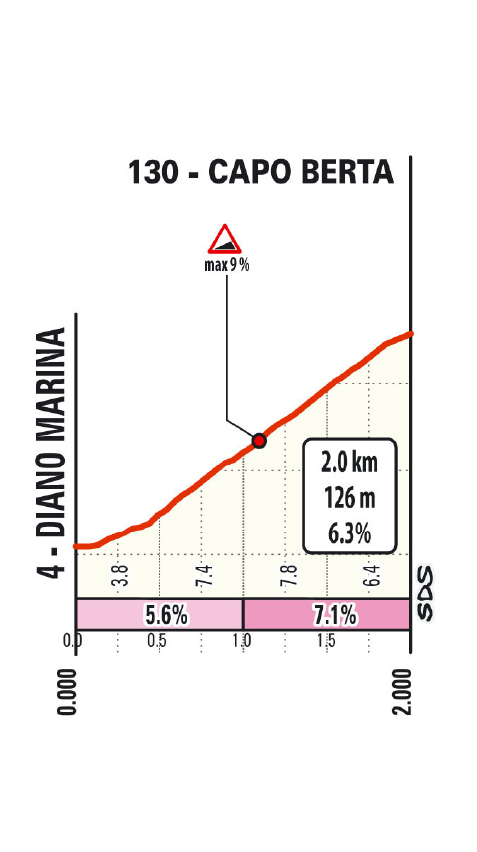
At San Lorenzo al Mare, after the traditional sequence of the “Capi” — Capo Mele, Capo Cervo and Capo Berta — the riders face the two decisive climbs added in the second half of the 20th century: the Cipressa (introduced in 1982) and the Poggio di Sanremo (1961).
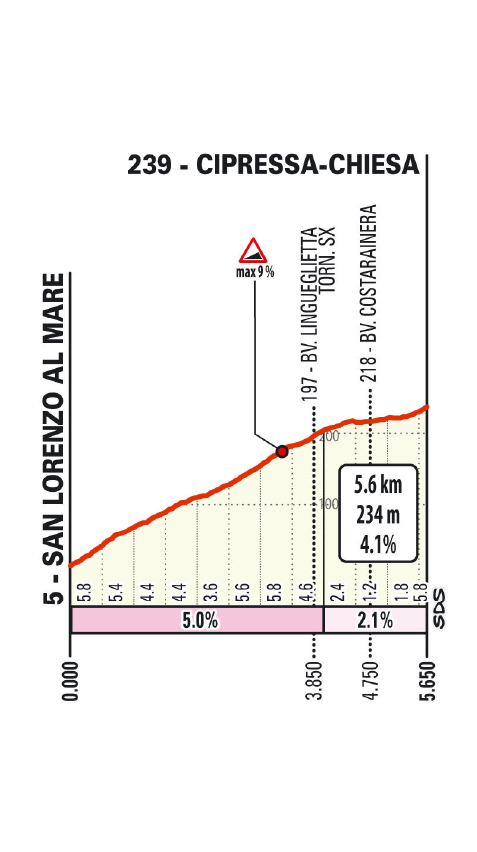
The Cipressa measures 5.6 km at an average gradient of 4.1%, cresting before a highly technical descent that leads back onto the SS1 Aurelia.
 
Final kilometers
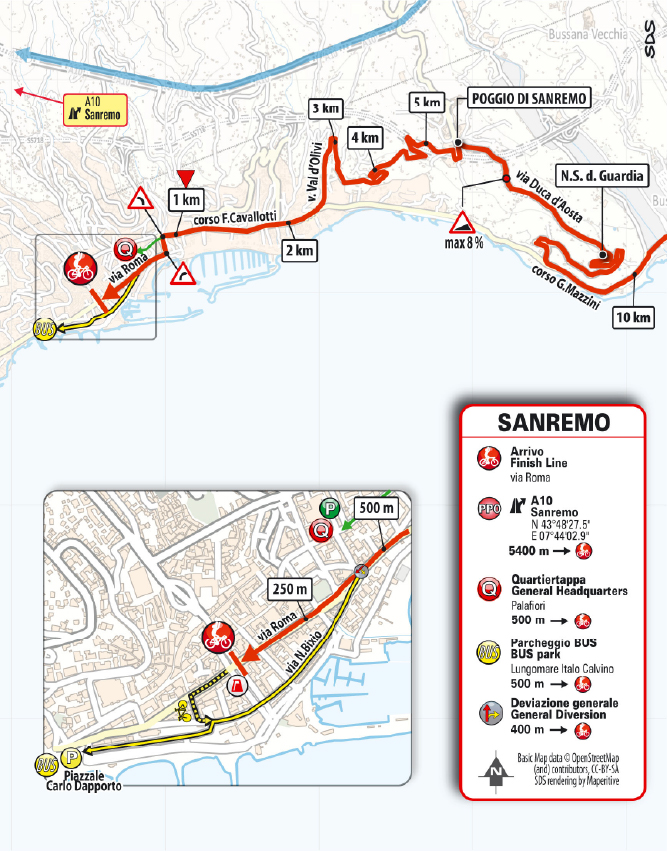
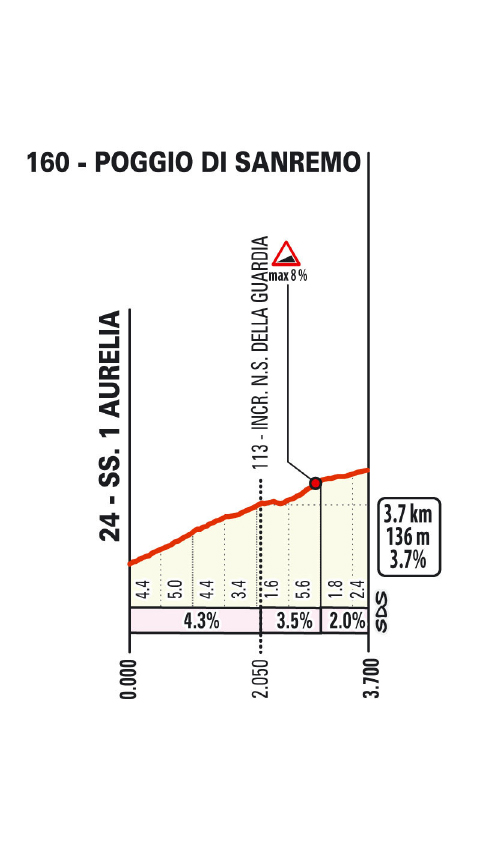
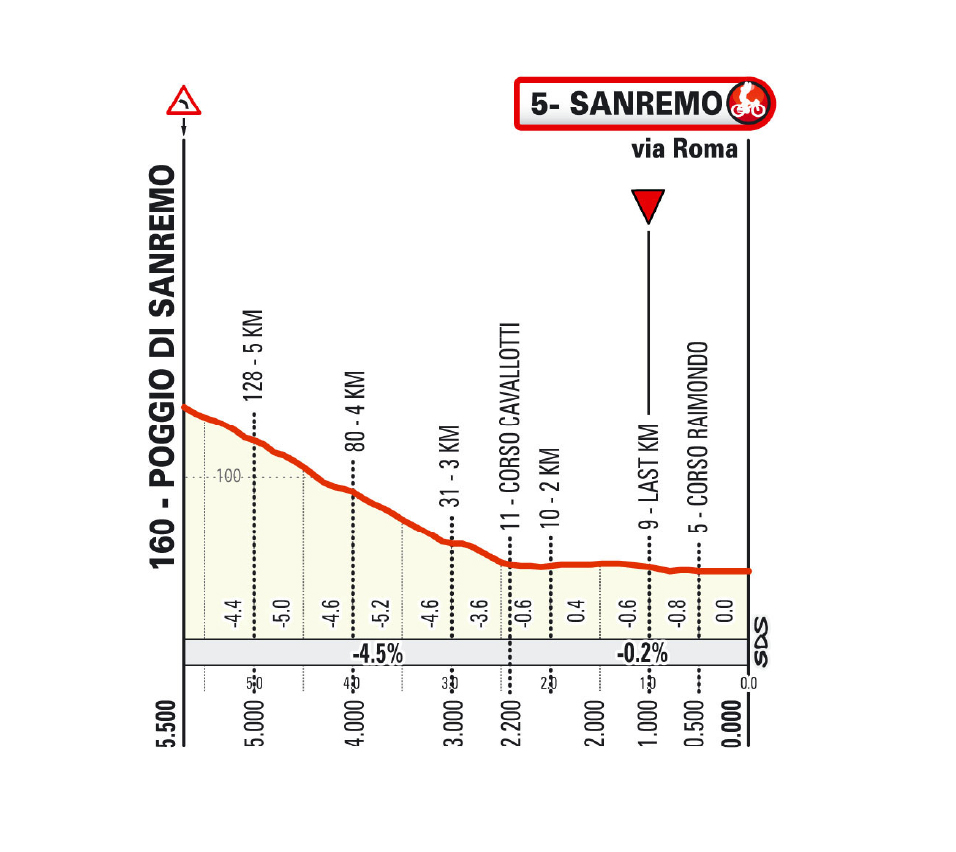
With 9 km to go, the peloton hits the foot of the Poggio di Sanremo: 3.7 km at just under 4% on average, with ramps peaking at 8% near the summit. The road narrows slightly, and the first two kilometres feature four hairpin bends, making positioning crucial.
The descent is fast and extremely demanding: narrow in places, with a relentless sequence of hairpins, sweeping bends and technical changes of direction before rejoining the Aurelia. The final section of the descent runs through the outskirts of Sanremo.
The last 2 km are contested on long urban straights. Notably, with 850 metres remaining there is a left-hand bend at a roundabout, followed by the final corner at 750 metres to go, which opens onto the finishing straight on Via Roma, all on smooth tarmac.

start / finish
climb detail
final kilometres
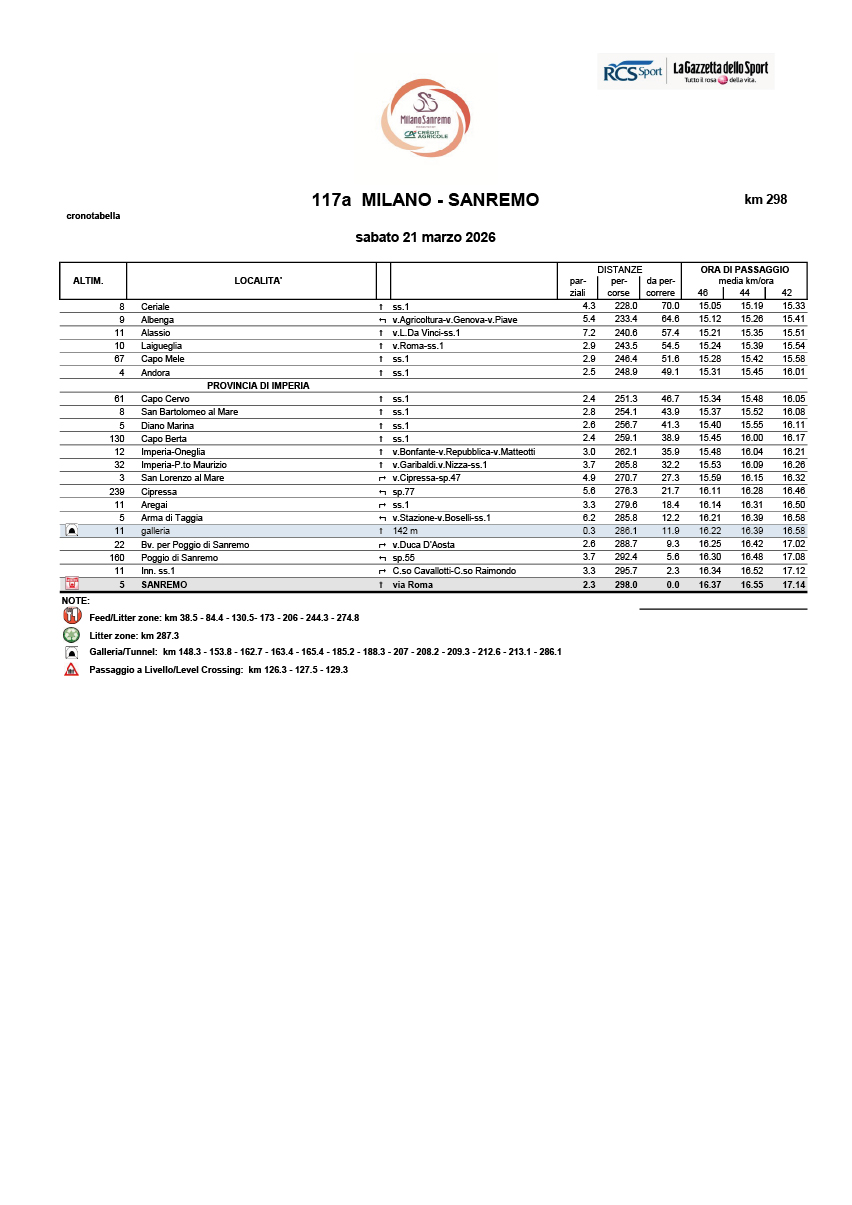
itinerary timetable
  • profile
  • map
  • technical info
  • start / finish
  • climb detail
  • final kilometres
  • itinerary timetable
Save the dates of your favorite races and receive all the informations about the races

tourist info

Host city:

start
finish

Pavia

Overview

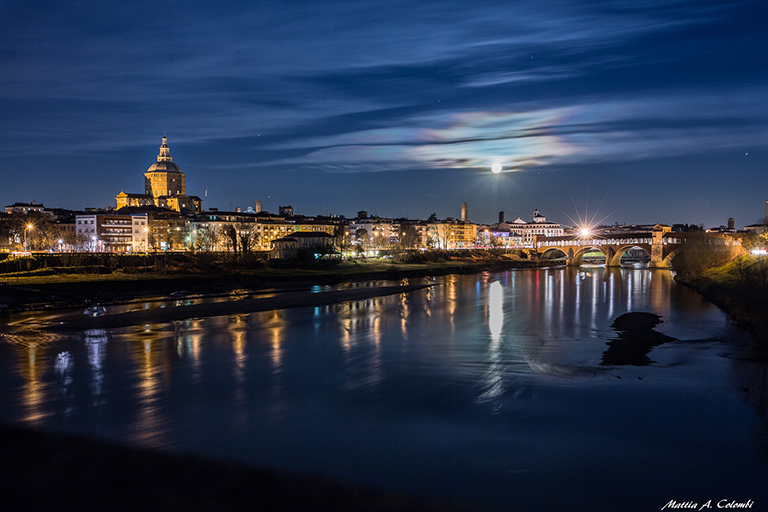
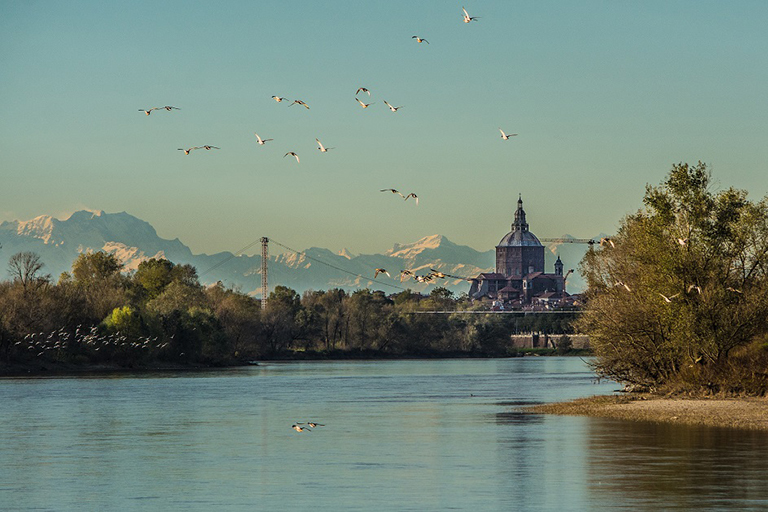
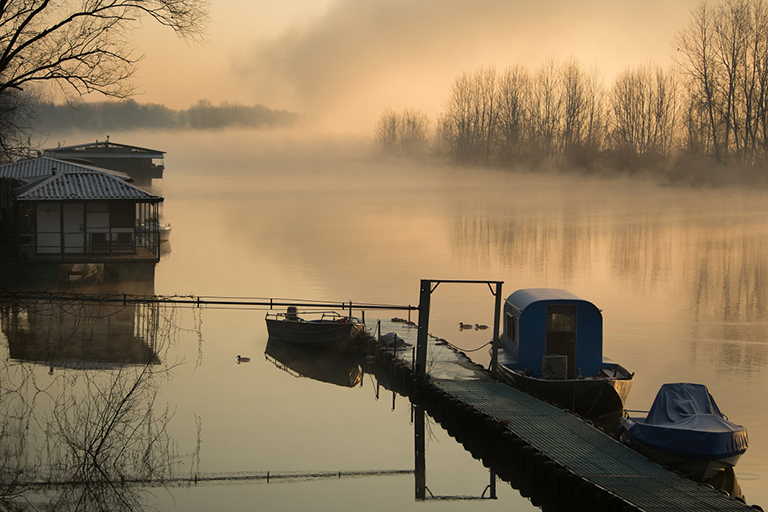
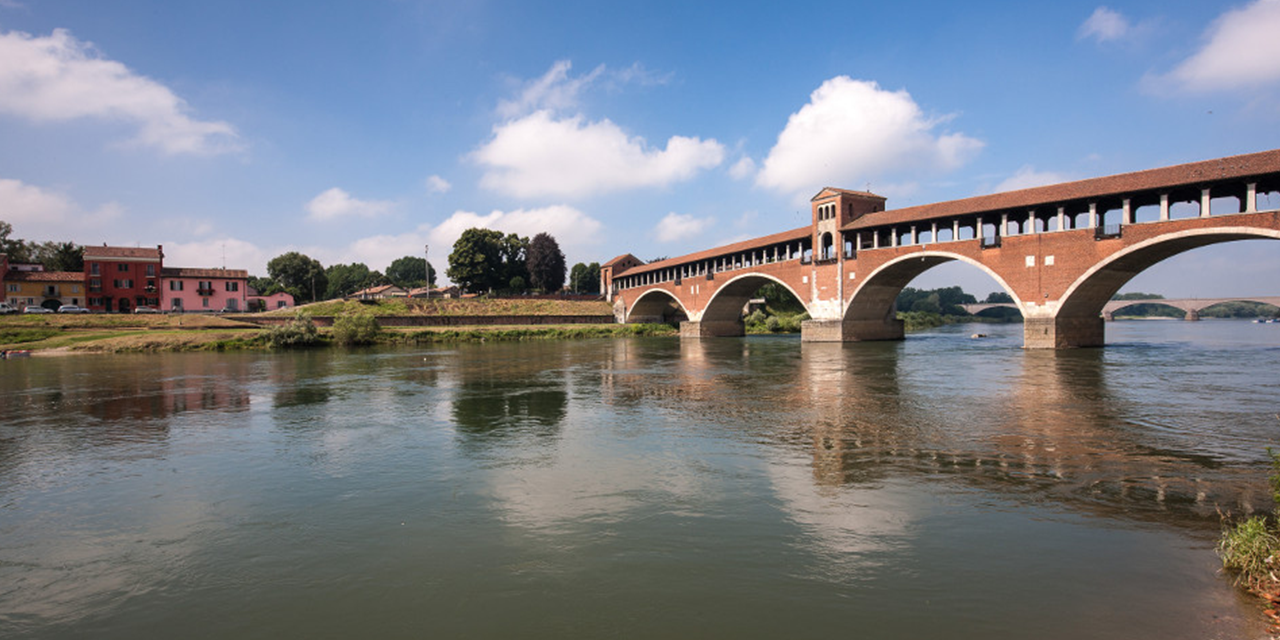
Pavia, a city with a millennia-old historical and cultural tradition, has preserved its Roman foundation layout over time. It offers first-time visitors numerous paths to explore. The richness of Pavia’s historical, artistic, and monumental heritage is not only measured by its most famous monuments but also, and above all, by a wealth of hidden treasures that provide a delightful surprise for tourists. The medieval neighborhoods, the Ticino River, and its charming village still offer pleasant opportunities for excursions lasting one or more days. Its buildings, particularly its Romanesque churches, which represent the highest expression of this style, are of significant interest and continue to spark great curiosity. Its university, a cradle of knowledge, and its traditional theater represent the most modern aspects that Pavia retains from its past.

For more information:

500 YEARS SINCE THE BATTLE OF PAVIA

In 2025, we will commemorate the 500th anniversary of the Battle of Pavia, a pivotal event that marked a decisive moment for the political landscape of Italy and Europe. In the city, a Multimedia Exhibition will be accessible at the Visconti Castle in March. Here you can find all the information.

Typical products

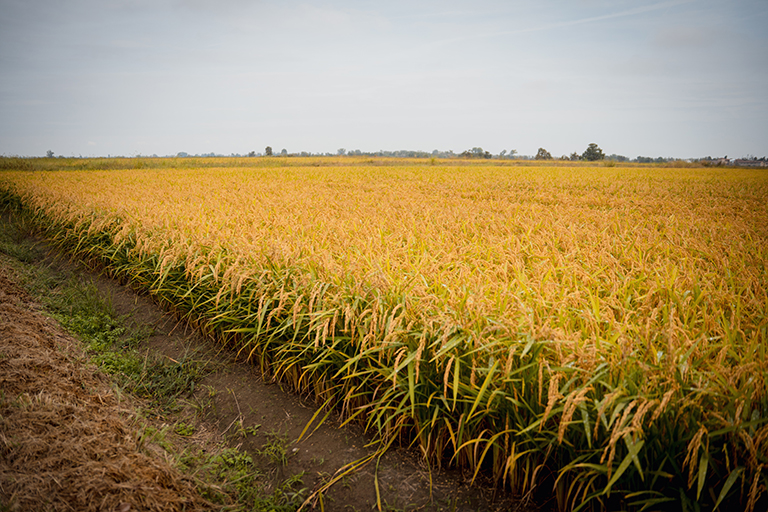
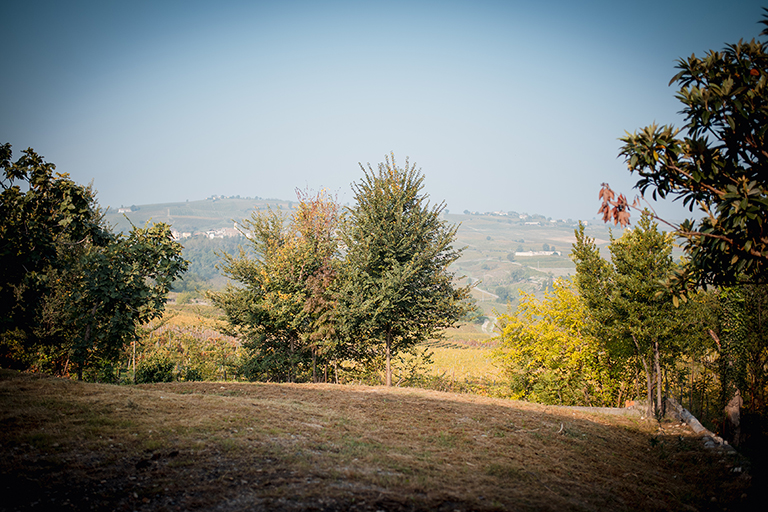
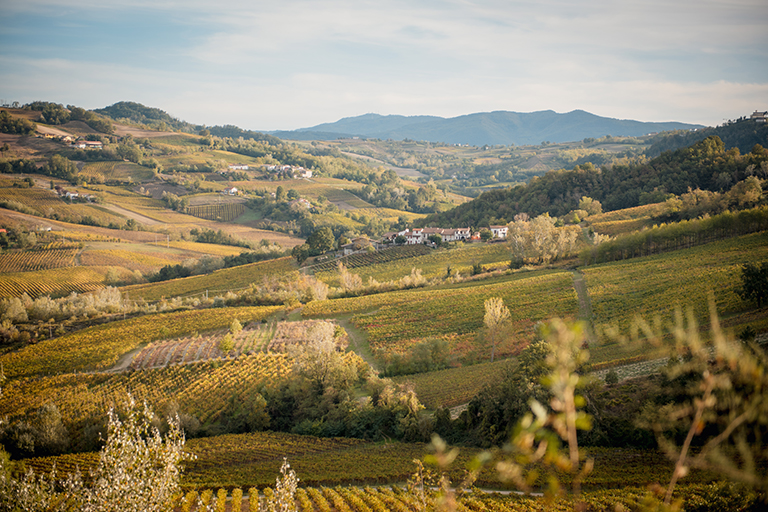
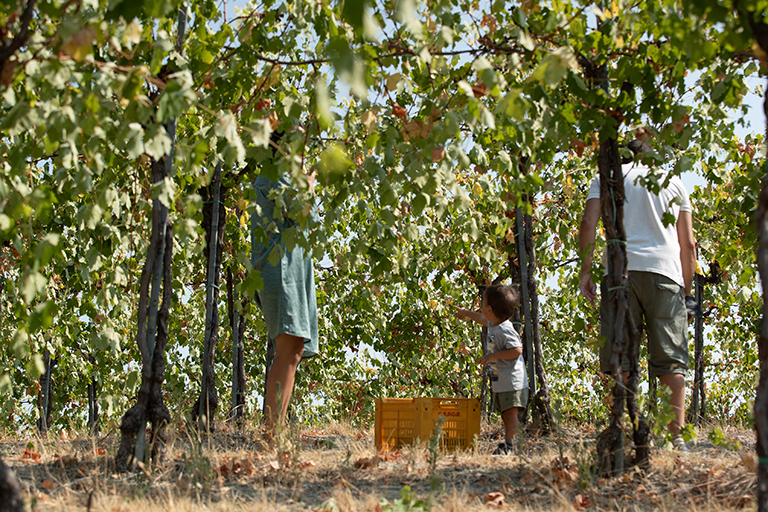
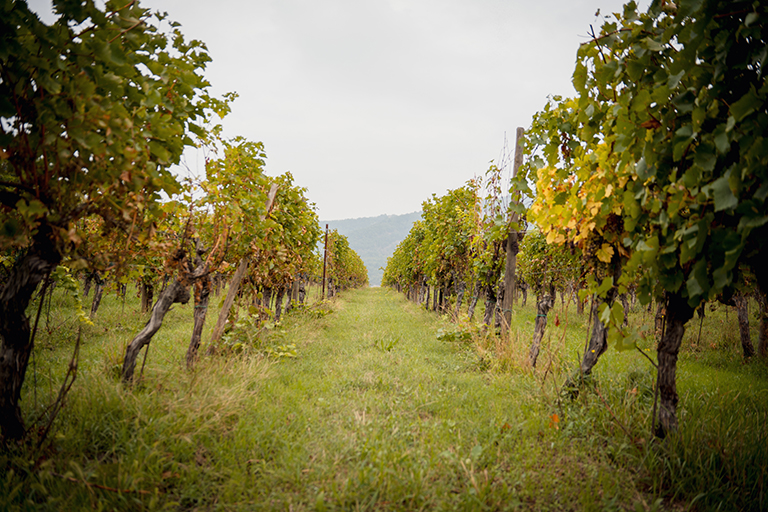
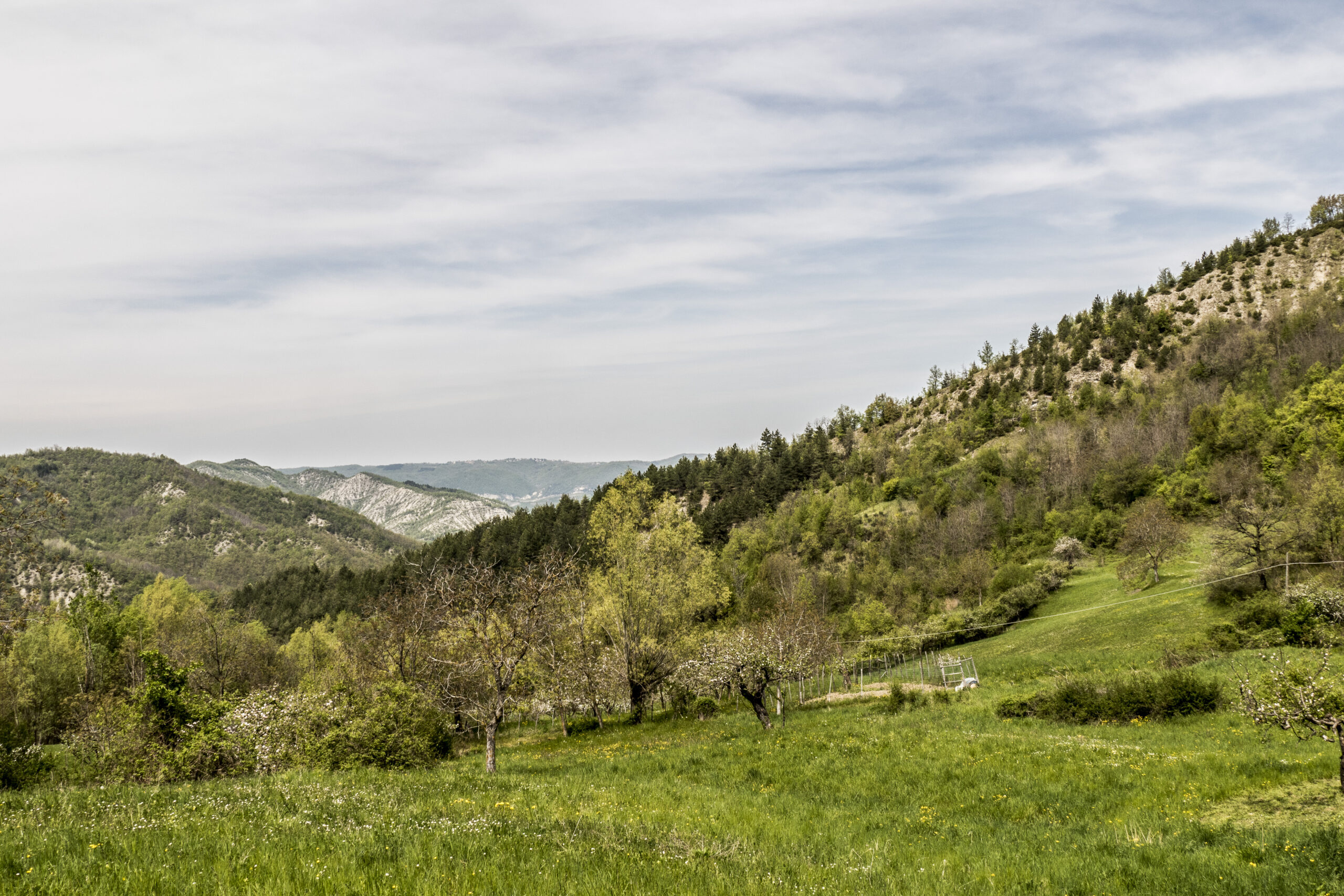
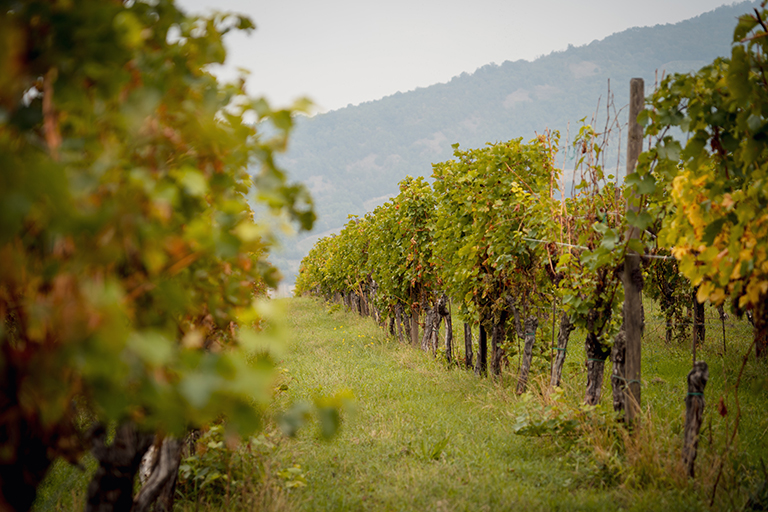
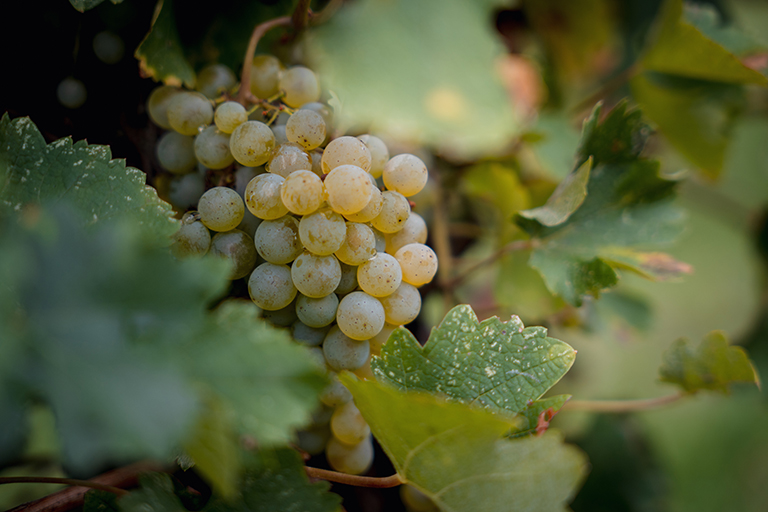
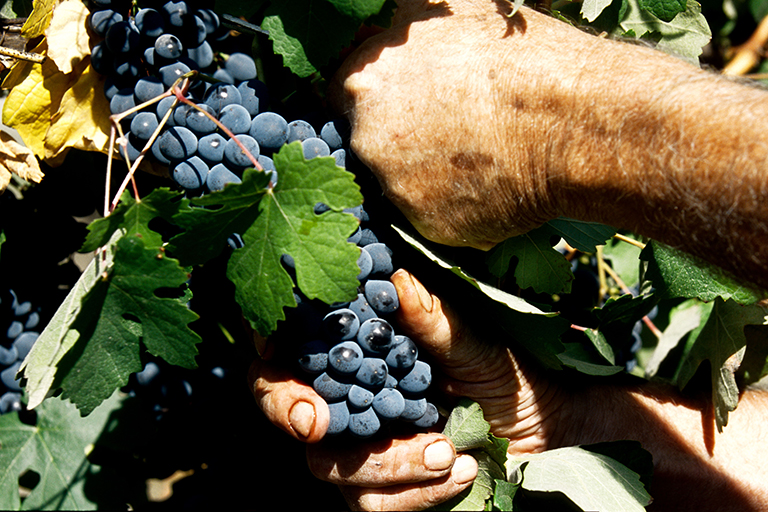
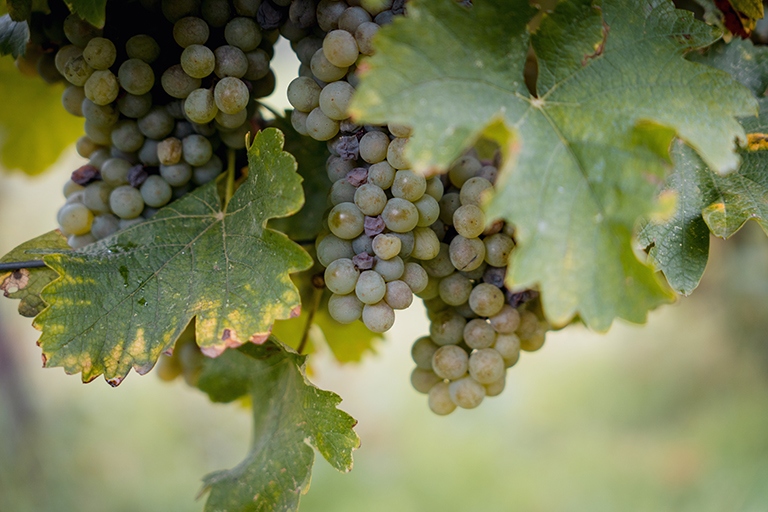
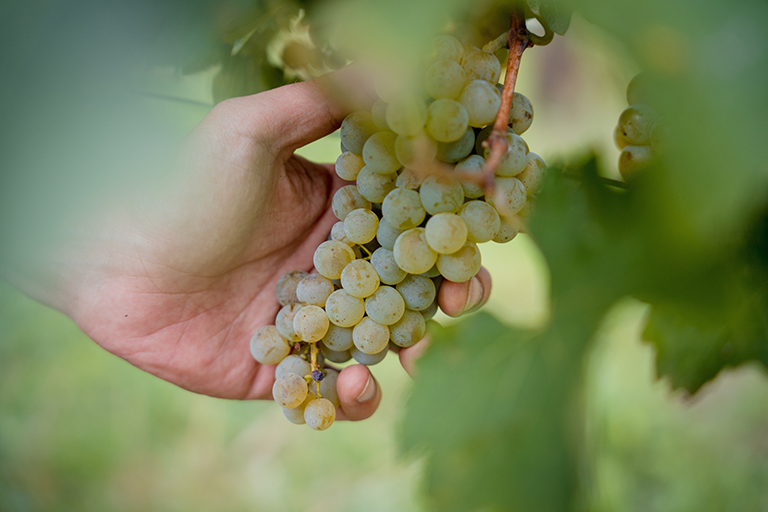
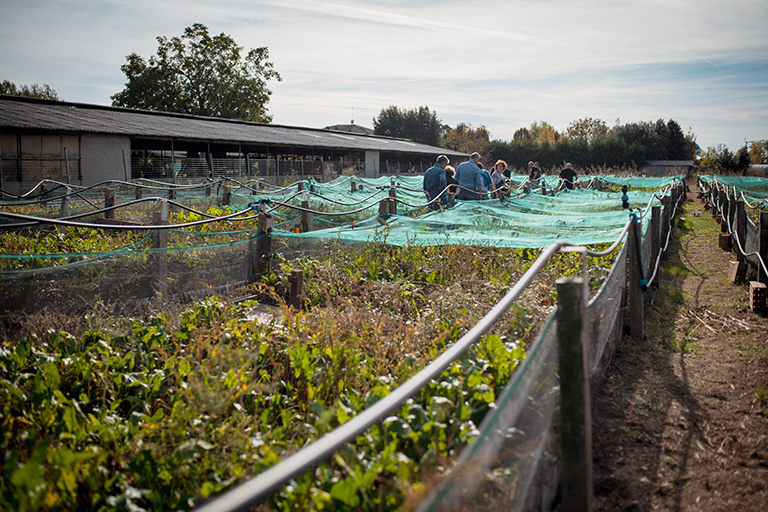
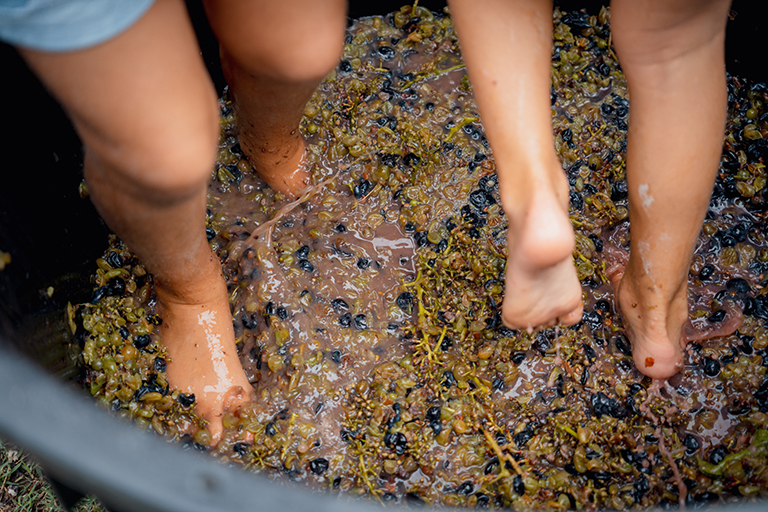
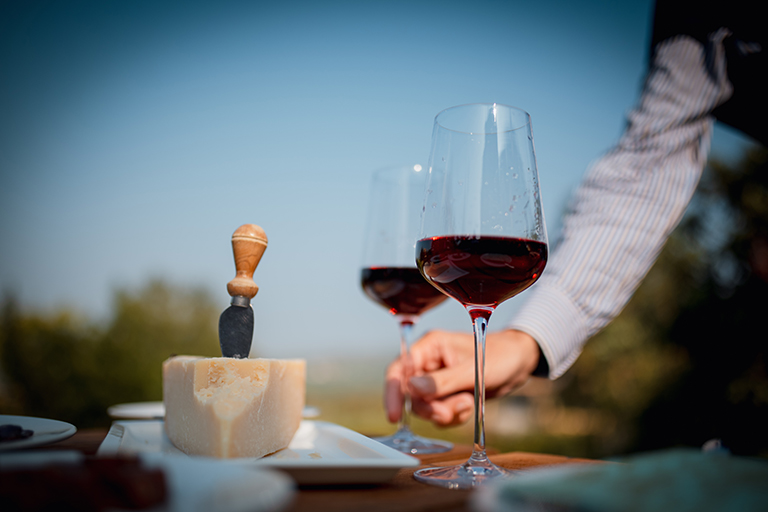
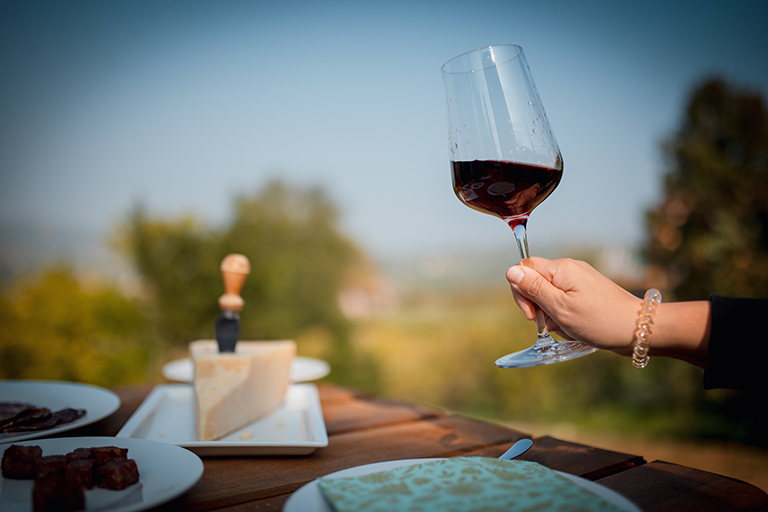
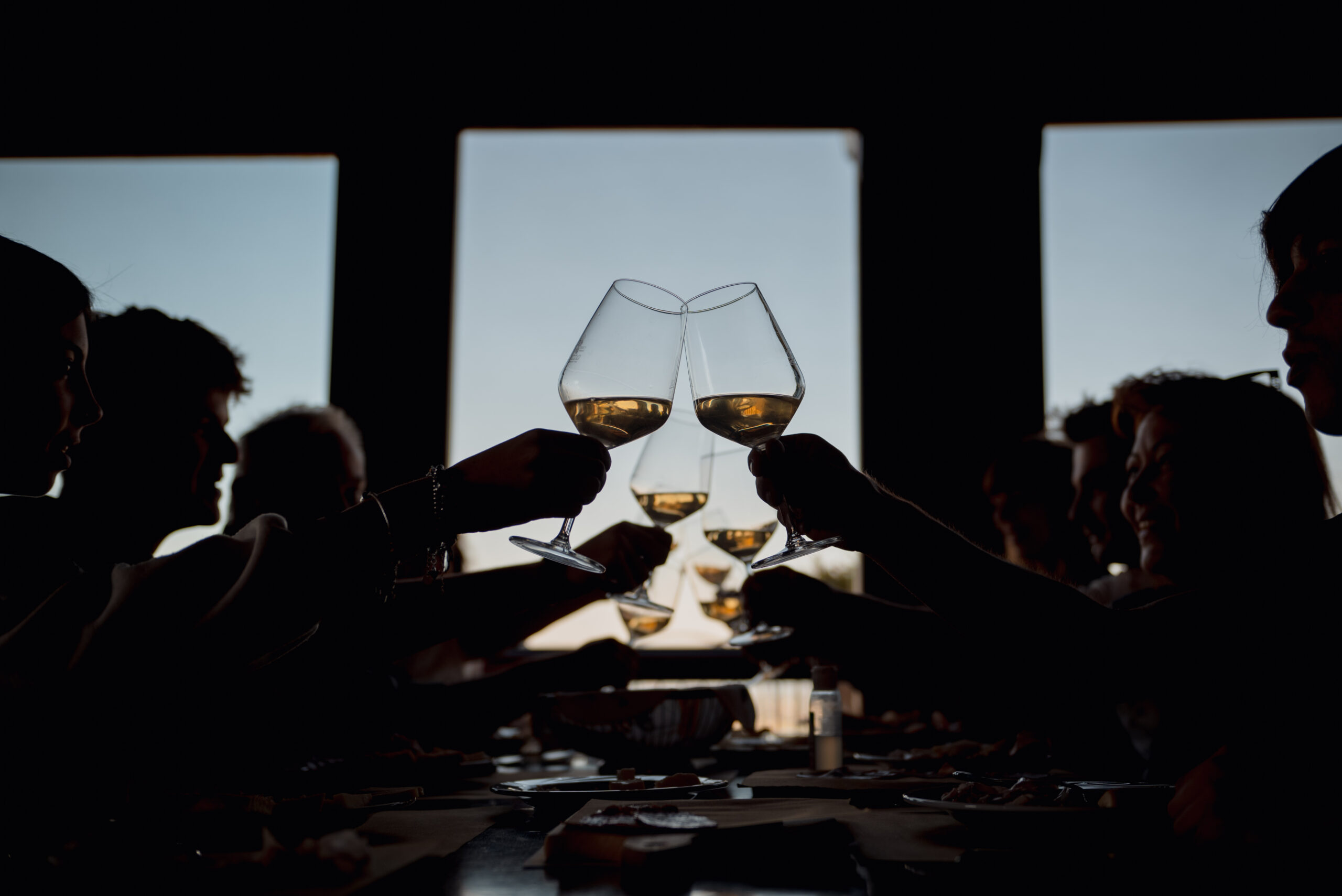
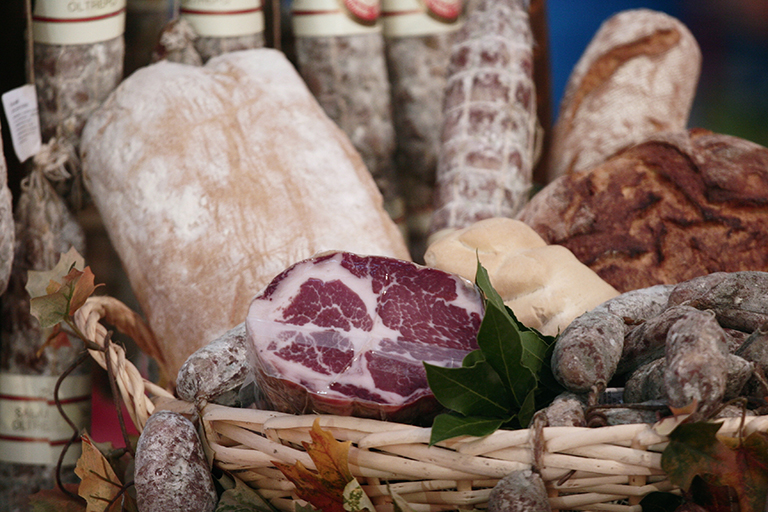
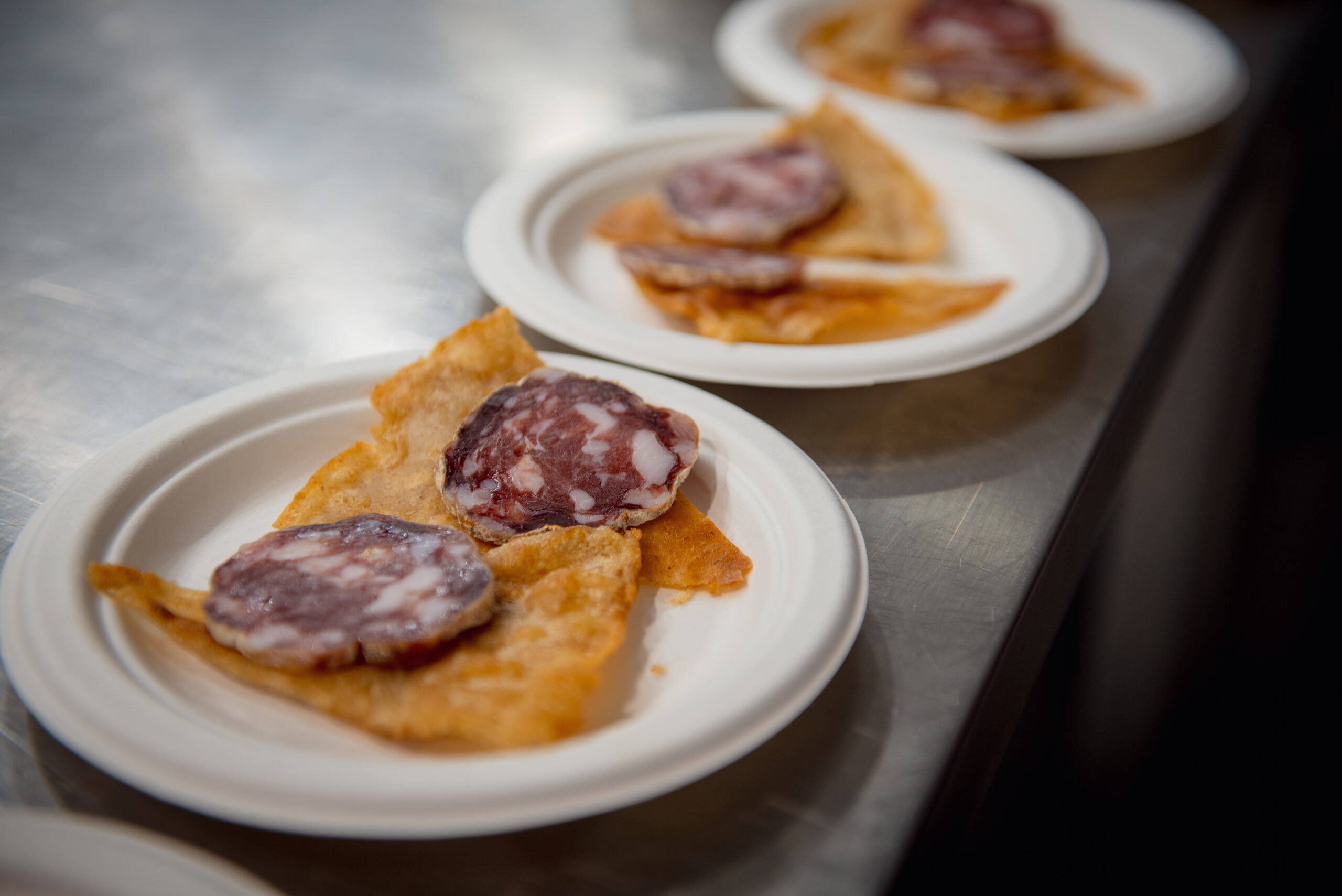
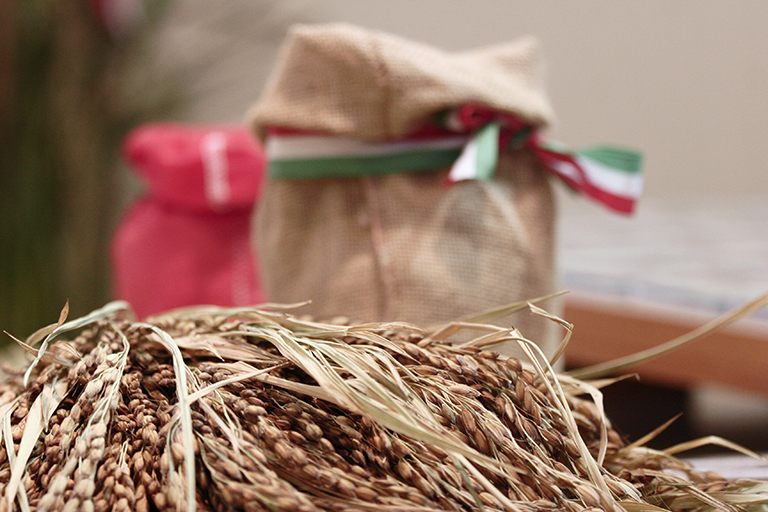
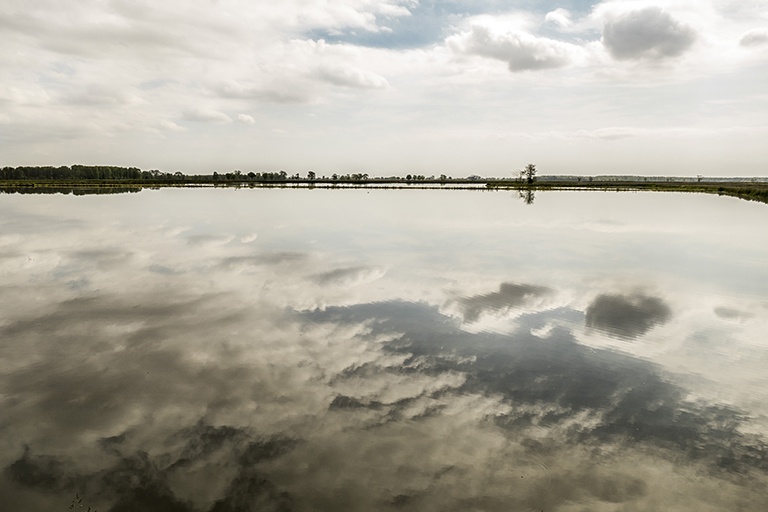
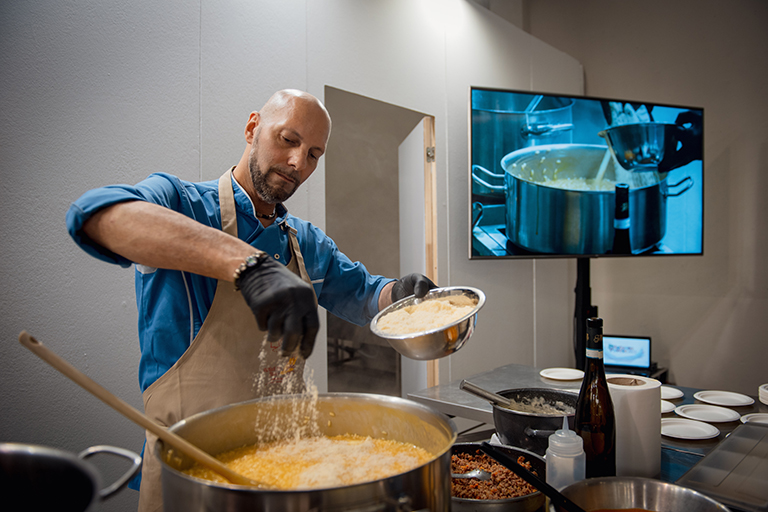
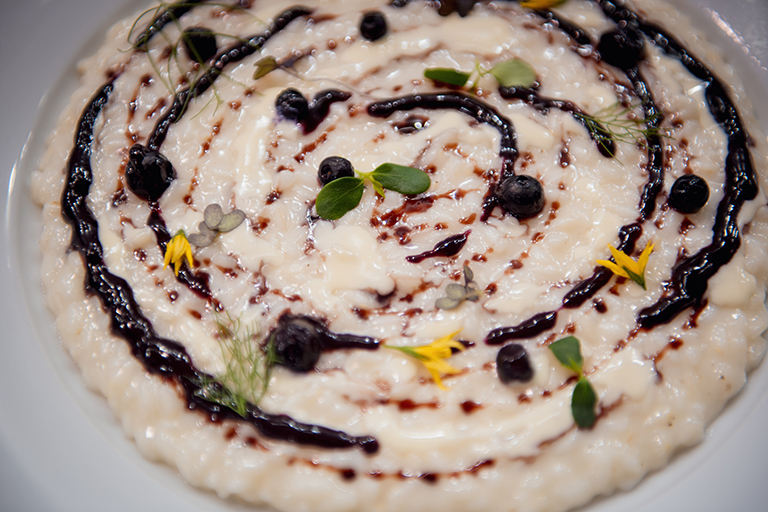
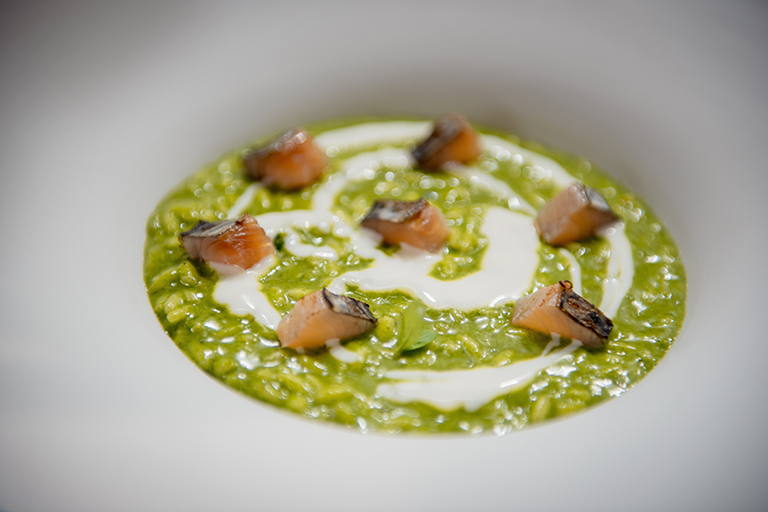
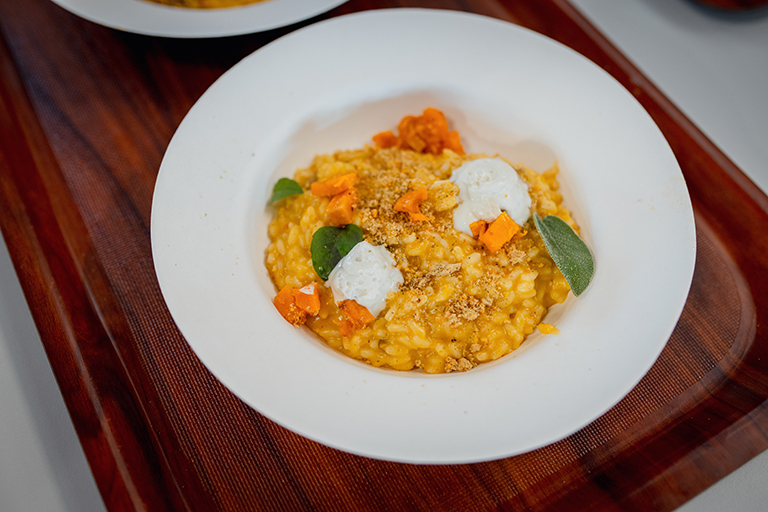
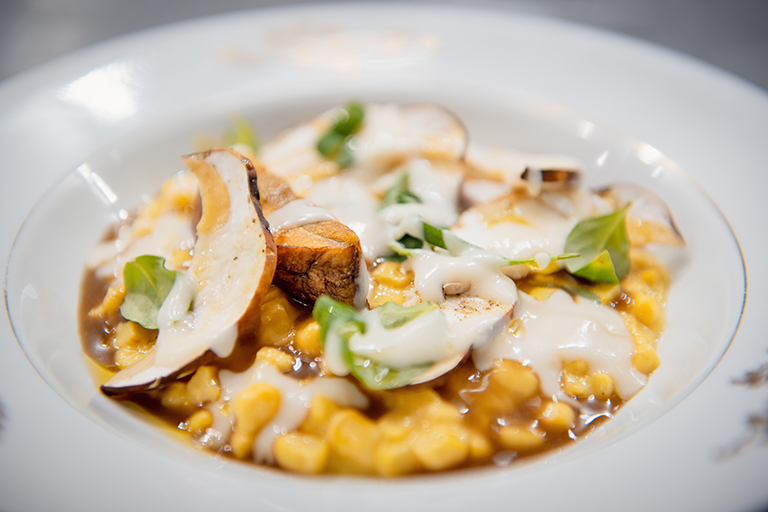
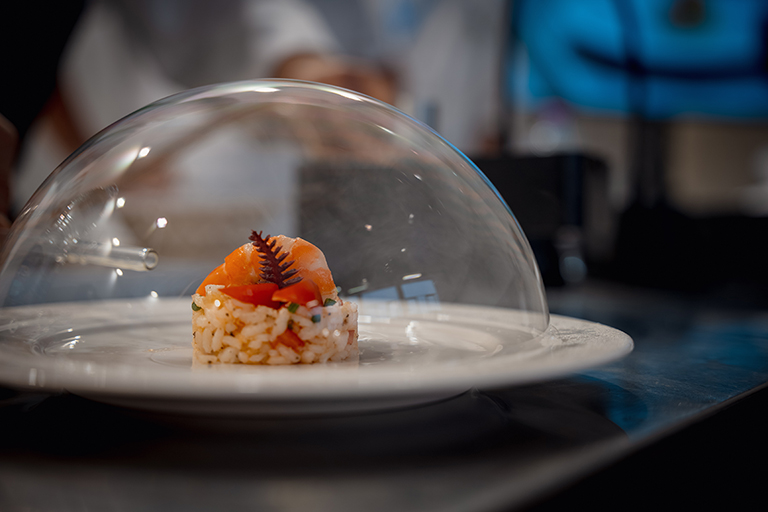
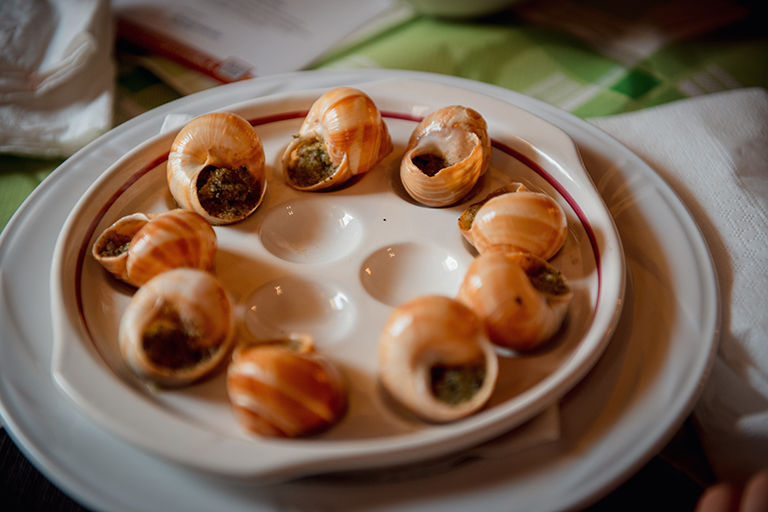
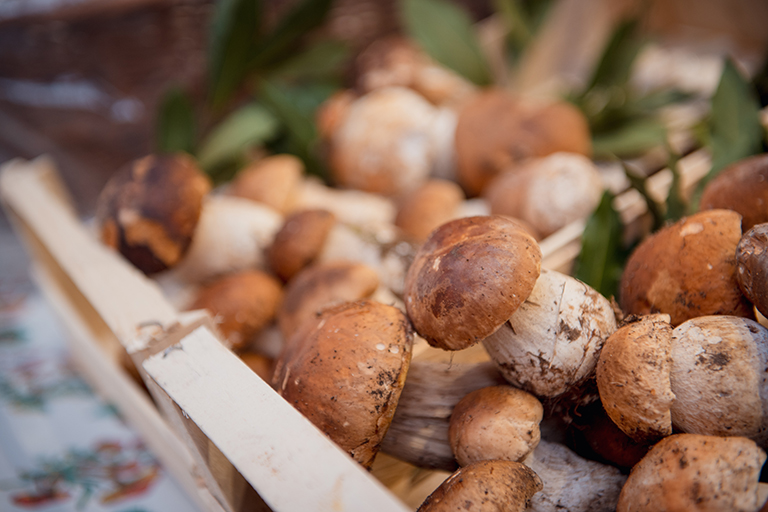
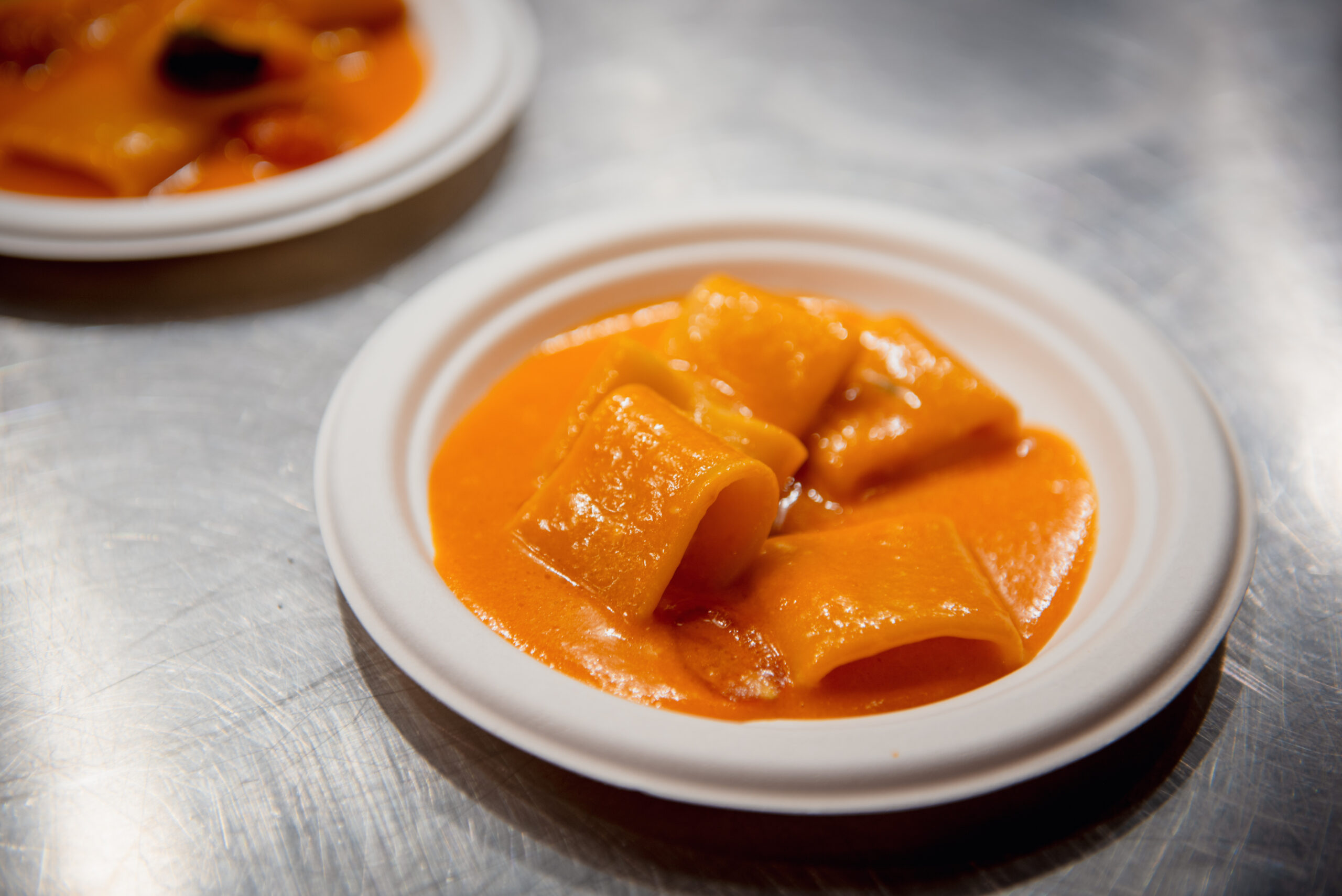
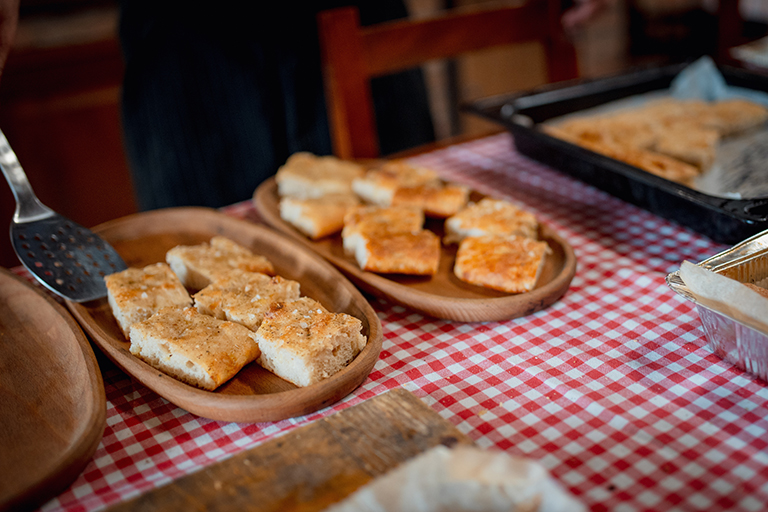
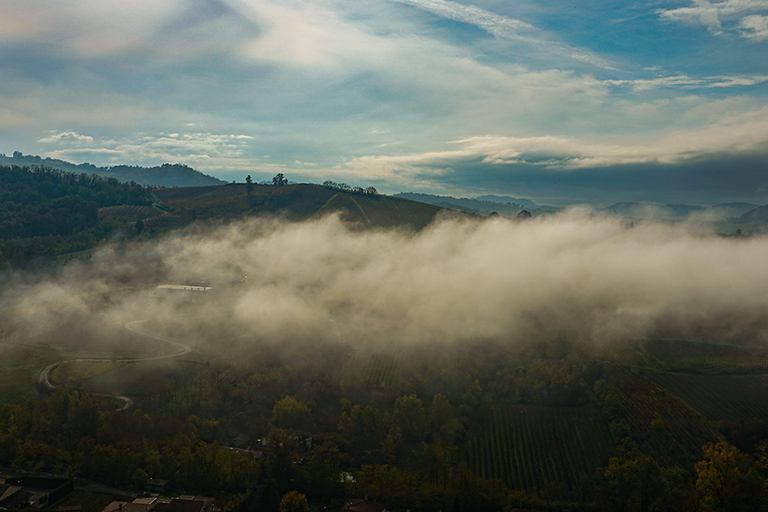
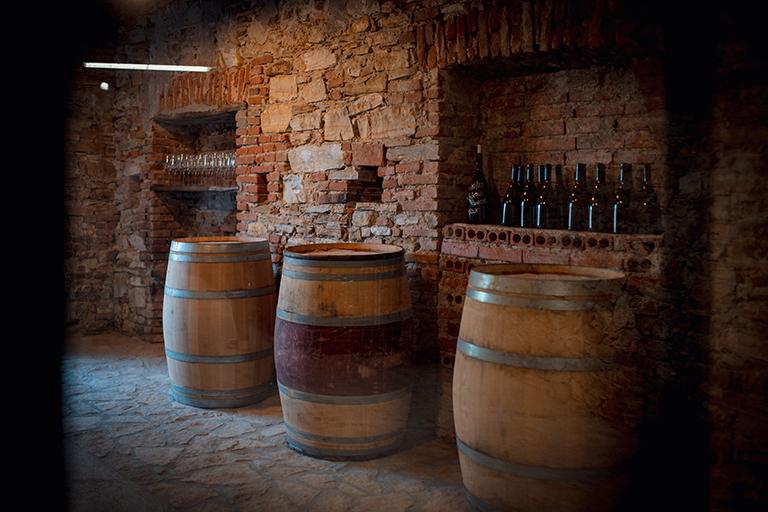
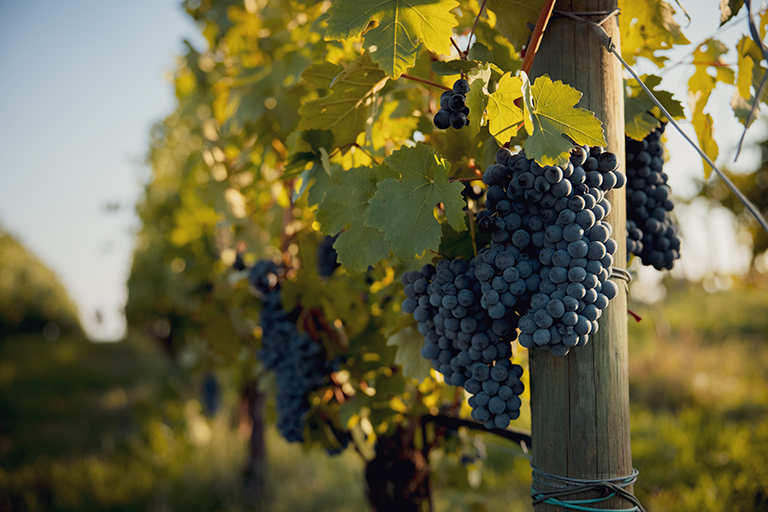
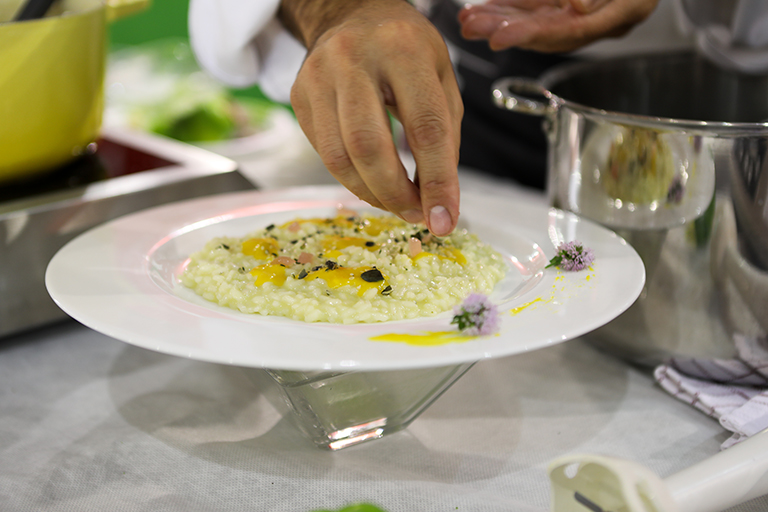
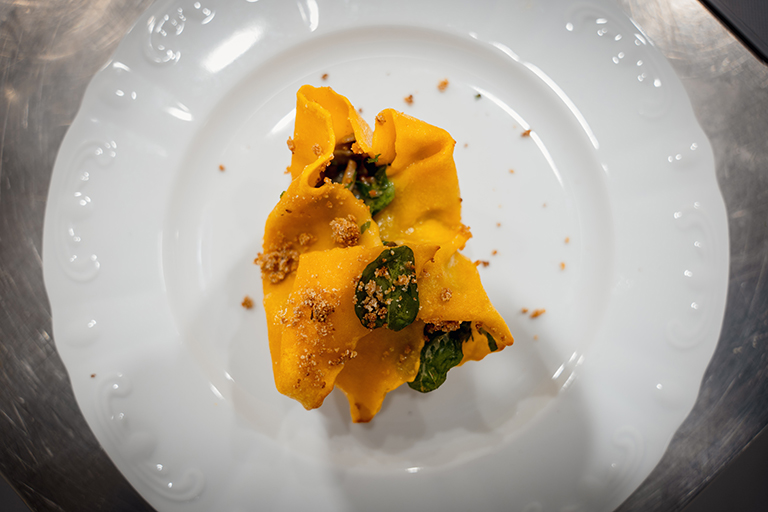
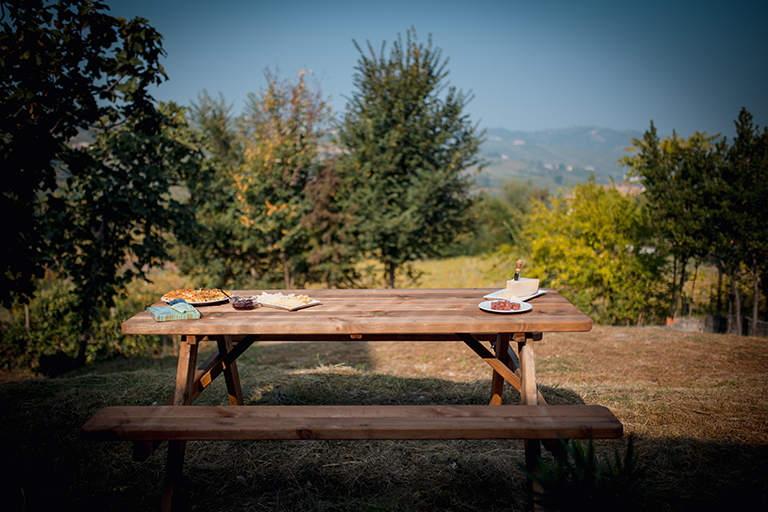
Pavia and its province boast a rich heritage of excellent food and wine products that have become attractive factors for a discerning audience capable of appreciating a genuine offering steeped in ancient tradition and characterized by numerous quality brands. The region, with its millennia-old history, is rich in artistic and architectural testimonies, traditions, and varied landscapes that range from the endless reflections of the flooded rice fields of Lomellina and Pavese to the wine-producing hills of Oltrepò, all the way up to the 1,724 meters of Monte Lesima. The typical productions are unmistakable when it comes to gastronomy. Agriculture has always played a leading role in the province’s economy, and in some productive sectors, it often ranks among the top in the national standings.

These products carry with them a narrative of ancient skills and knowledge, a focus on genuineness, and above all, a commitment to food production integrity, especially at a time when there is an exponential increase in interest from conscious consumers for everything that is natural and authentic. In addition to the products, Pavia’s tradition bequeaths us the practices and virtues of an ancient cuisine, of which we offer some insights that serve as both a heritage and a key to understanding and appreciating the territory.

Discover more

Sanremo

Overview

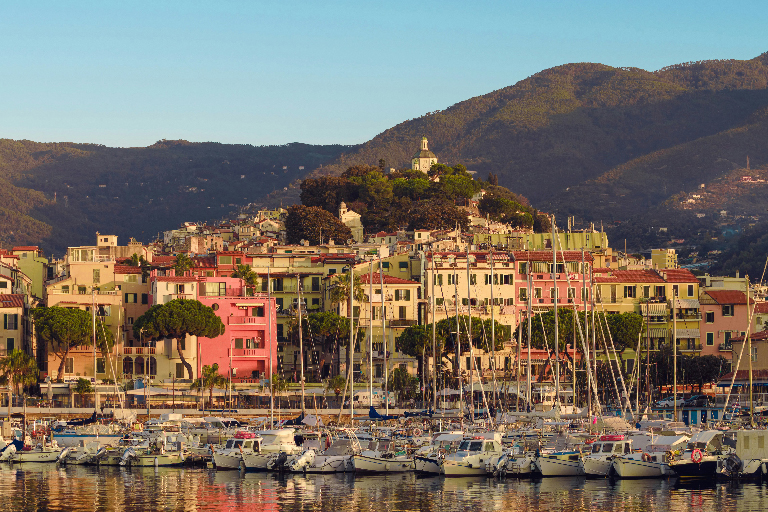
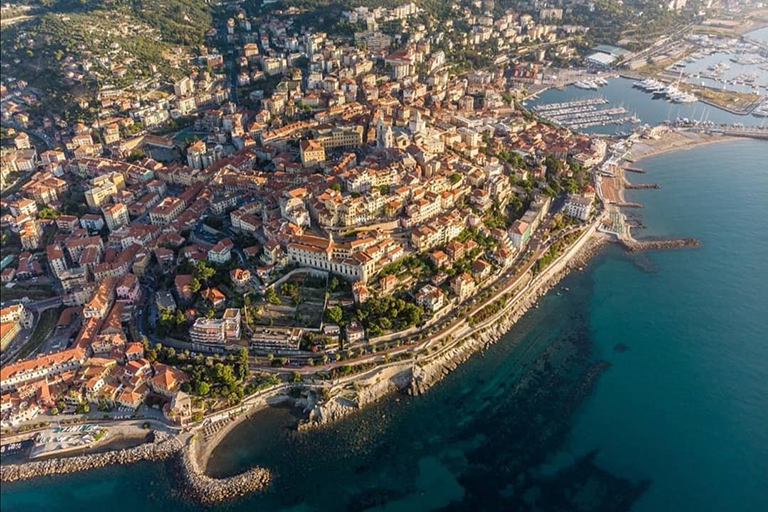
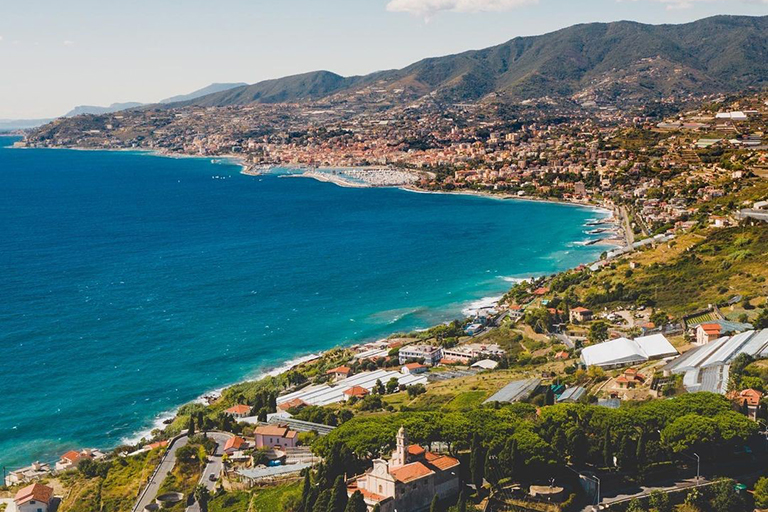
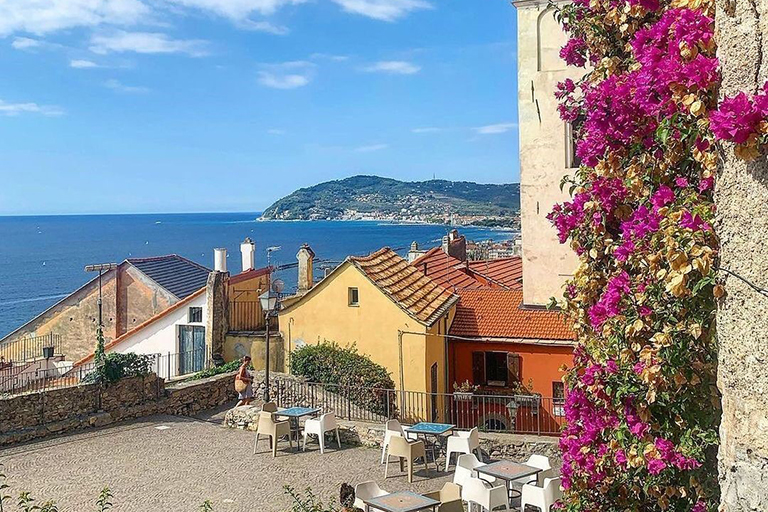
Lying along the sun-drenched Riviera dei Fiori, Sanremo has a mild and pleasant micro‑climate, as compared to other cities of the region, which makes it the perfect tourist destination.

It is renowned for flower farming (hence its nickname, ‘the city of flowers’) and for a traditional parade of flower-covered floats held every year in the spring, called ‘Sanremo in fiore’. Other famous events taking place in Sanremo every year include the Italian Song Festival, aired by the national broadcaster Rai, and the Rassegna della canzone d’autore, organised by the Club Tenco.

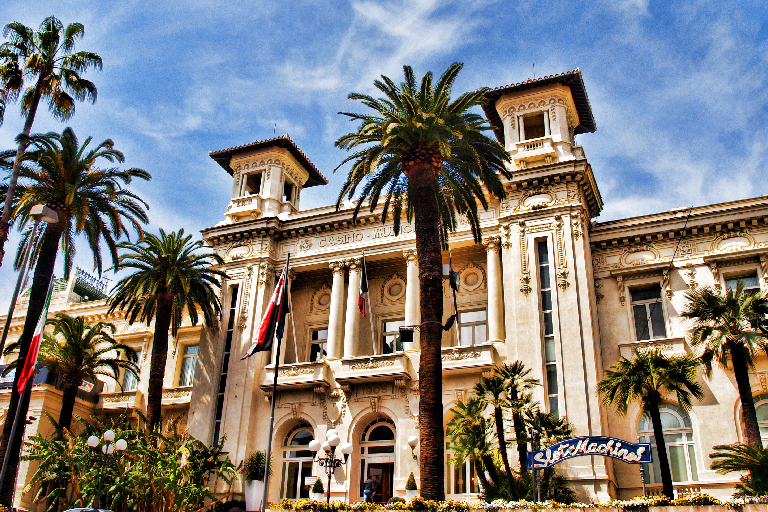
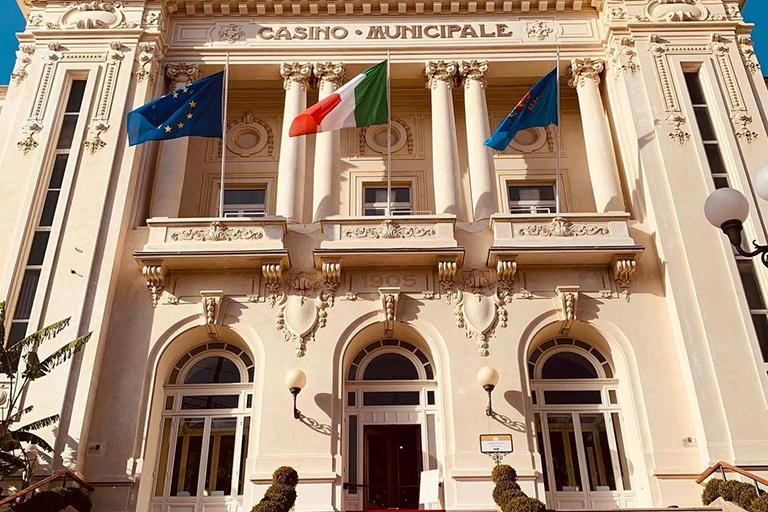
The old town centre (nicknamed La Pigna, ‘the pine cone’, after the shape of its ancient defensive walls) reflects the glorious past of the city. Main sights include the Basilica Collegiata Cattedrale di San Siro, the sanctuary of Madonna della Costa, the hermitage of San Michele, and the Church of Cristo Salvatore, built in the late 19th century by the Russian nobility, nowadays one of the symbols of the town, together with the Casino, nearby, one of the three remaining in Italy.

Notable sights also include many private mansions built along the promenade: Palazzo Bellevue (which has been a luxury hotel for many years, and became the city hall in 1963); Palazzo Borea d’Olmo (one of the major Baroque buildings of western Liguria, a few metres away from Teatro Ariston); Villa Ormond (renowned for its park, with many exotic plants); Villa Nobel (built in Moorish style, the last place where Alfred Nobel lived, currently a museum and a venue for cultural meetings), Villa King, nearby (Art Deco), and Castello Devachan (the venue of the meeting of the victorious Allies after the end of World War I in 1920).
Speaking of sports, the city is renowned as finish location of Milano-Sanremo (one of the major springtime classics on the international cycling calendar), and it has been the venue of an iconic automobile rally since 1928.
Follow us
on social media
# MilanoSanremo
top sponsor
official partners
institutional partners
official suppliers