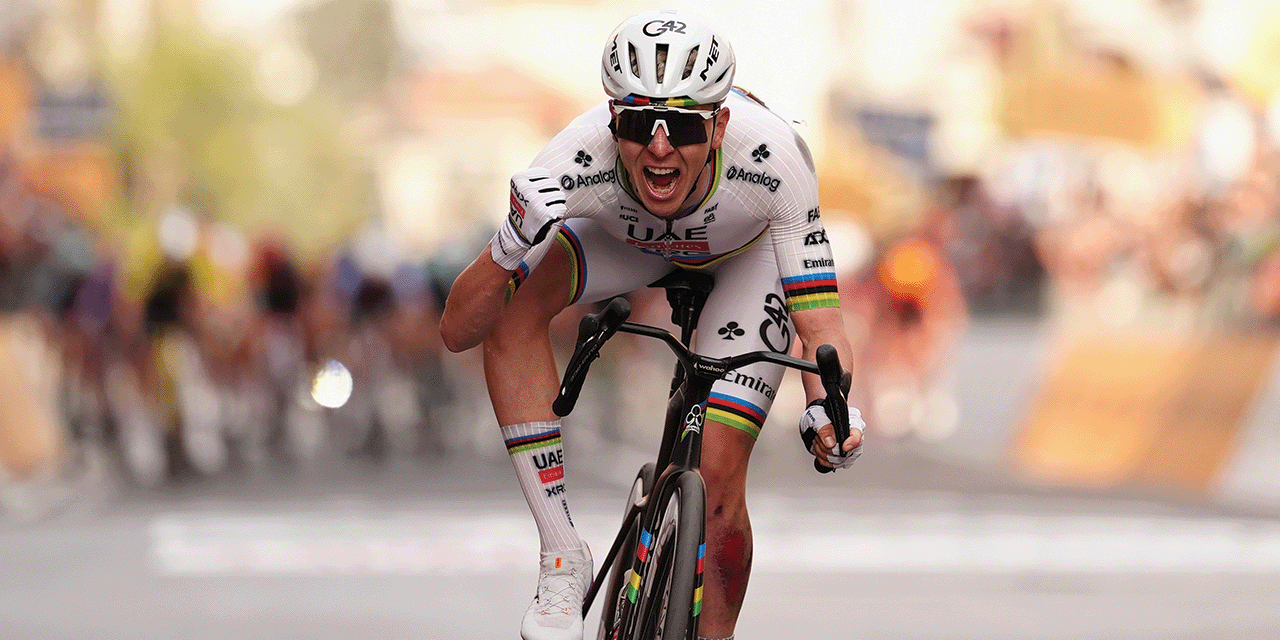
New Cycling, New Stars.
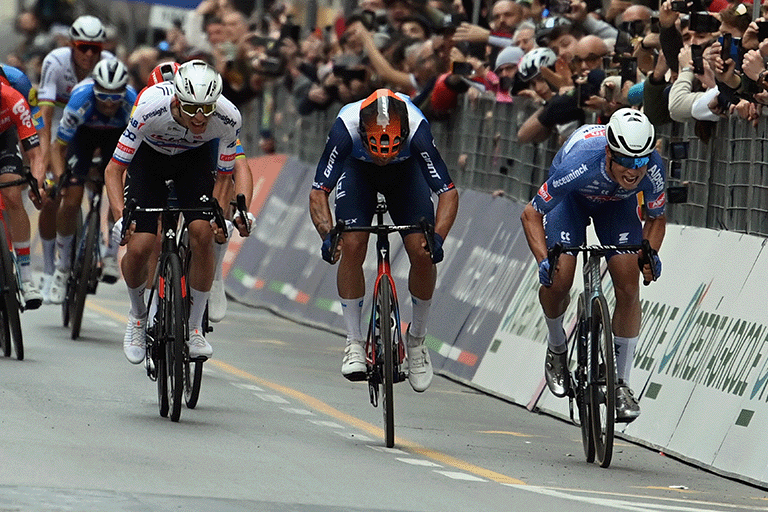
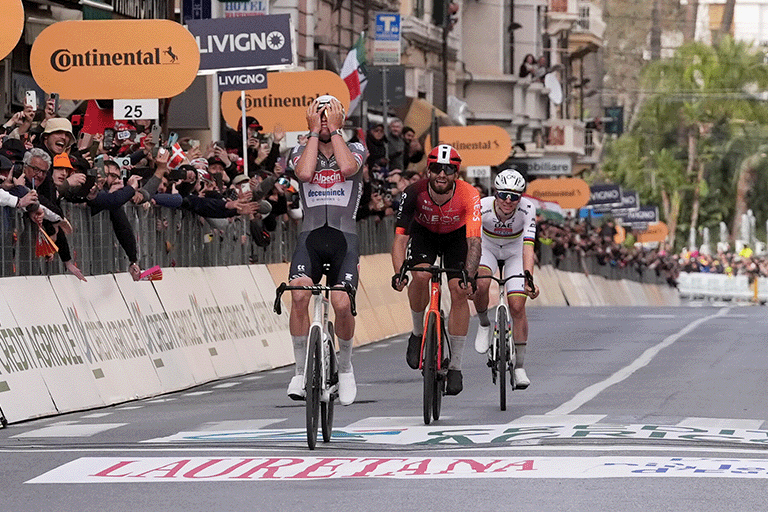
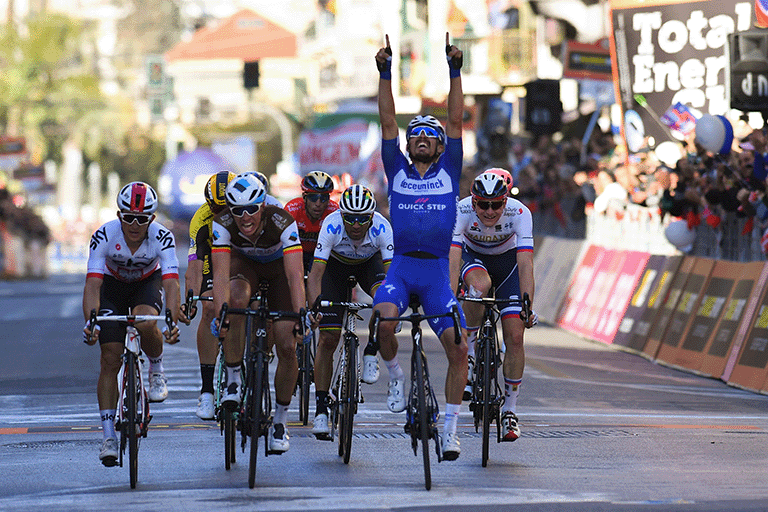
The sport evolves and speeds keep rising, yet Milano–Sanremo remains the same unpredictable roulette. The Poggio is still the decisive moment to try to avoid a sprint, and often it works: in 2017, a three-man photo finish saw Michał Kwiatkowski beat Peter Sagan – who would finish in the top 10 nine times without ever winning – and Julian Alaphilippe.
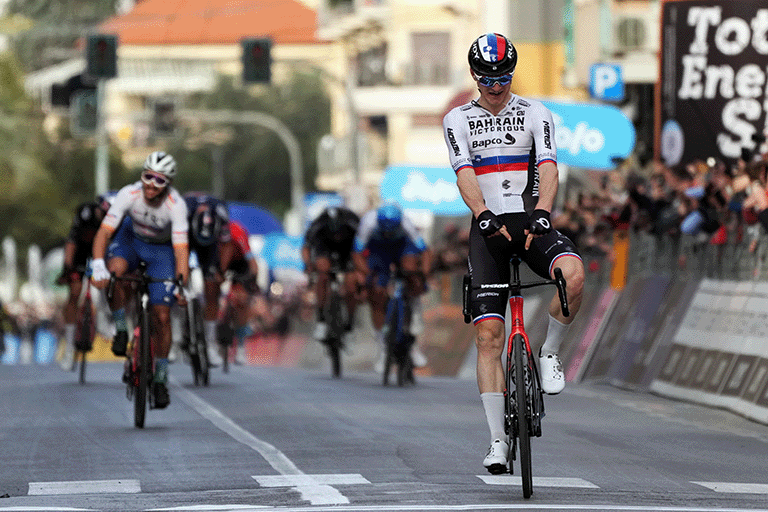
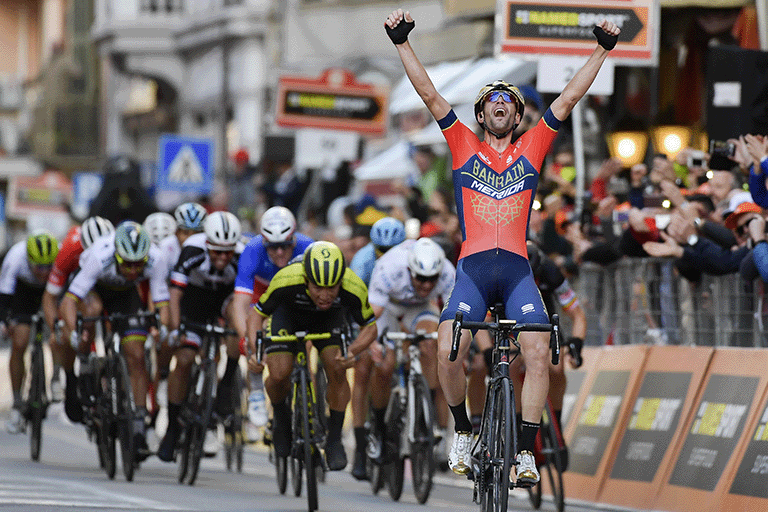
In 2018, Vincenzo Nibali ended a 12-year drought for Italy and remains the last Italian winner to date, while in 2020 Wout van Aert claimed what is still his only Monument victory.
Then the script begins to change, as Mathieu van der Poel and Tadej Pogačar emerge on the scene: the former wins it twice, the latter keeps pushing the limits, and in 2025, with one of his trademark explosive attacks, he makes the Cipressa look like the Stelvio, redefining how Milano–Sanremo can be raced.
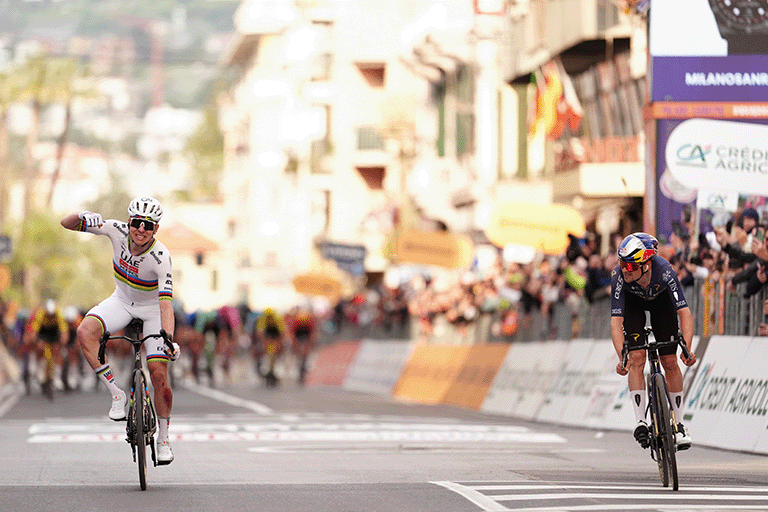
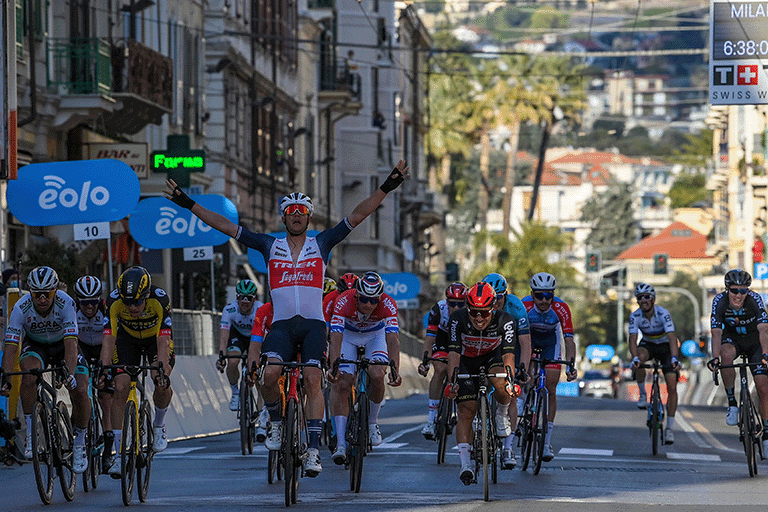
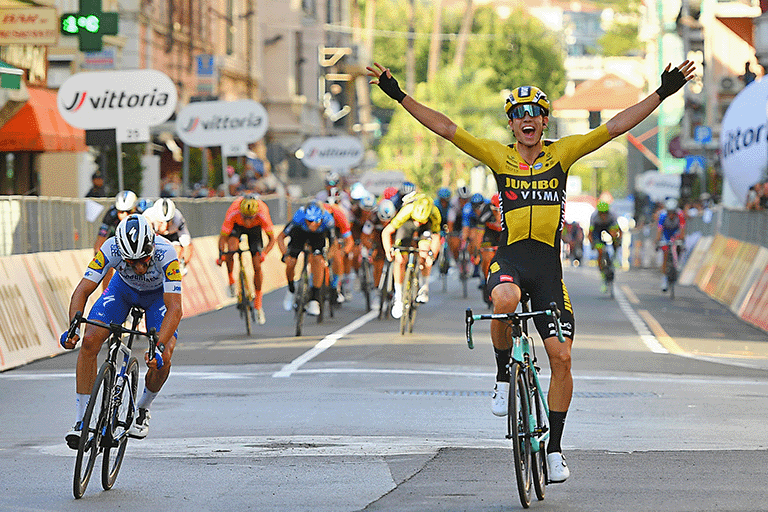
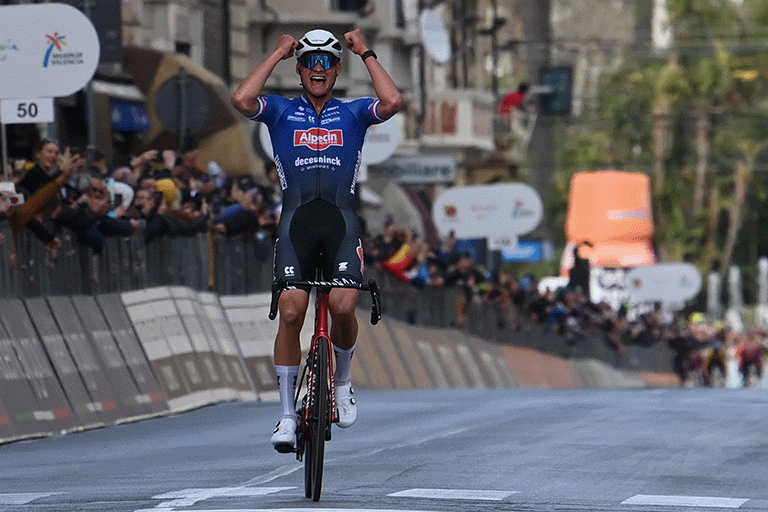
hall of fame
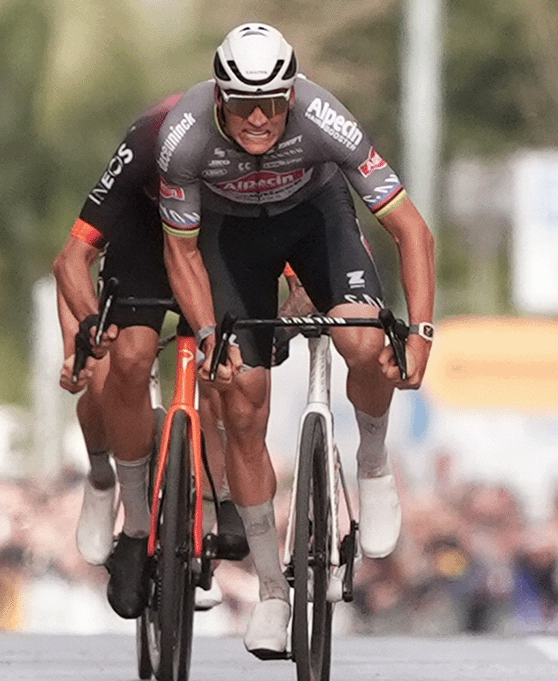
Mathieu Van der Poel excels everywhere: cyclocross, mountain biking and road racing, winning across all disciplines. He has done it at Milano-Sanremo too, twice, in 2023 and 2025, taking advantage of the fact that climbs like the Cipressa and the Poggio are no obstacle for him, while the explosive finale perfectly suits his strengths. His first victory came solo, with a sharp, decisive attack on the Poggio that dropped riders such as Tadej Pogačar, Wout van Aert and Filippo Ganna. The second came at the end of one of the most memorable editions of the Classicissima. Last year, Pogačar blew the race apart on the Cipressa, something not seen for nearly 30 years, but Van der Poel stayed glued to his wheel all the way to Via Roma. A three-man sprint, with Ganna catching up with them in the last few hundred metres, and a second triumph in Sanremo. Van der Poel is the quintessential classics hunter of the modern era.