Attacks on Poggio vs. Bunchs Sprints.
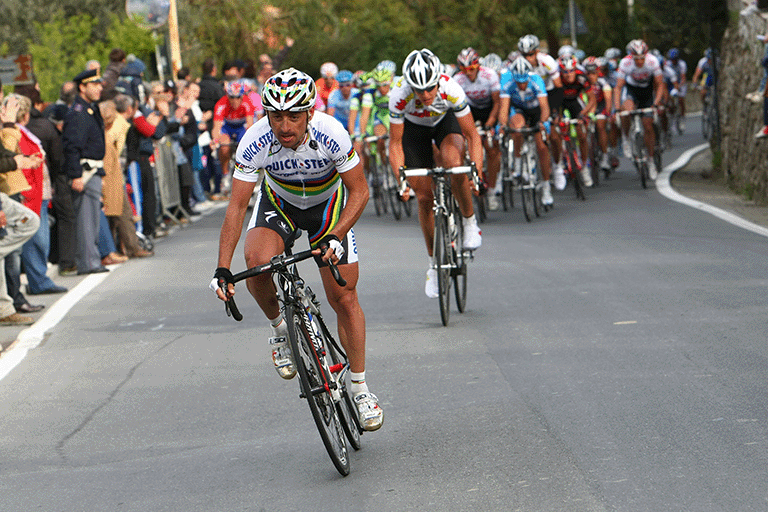
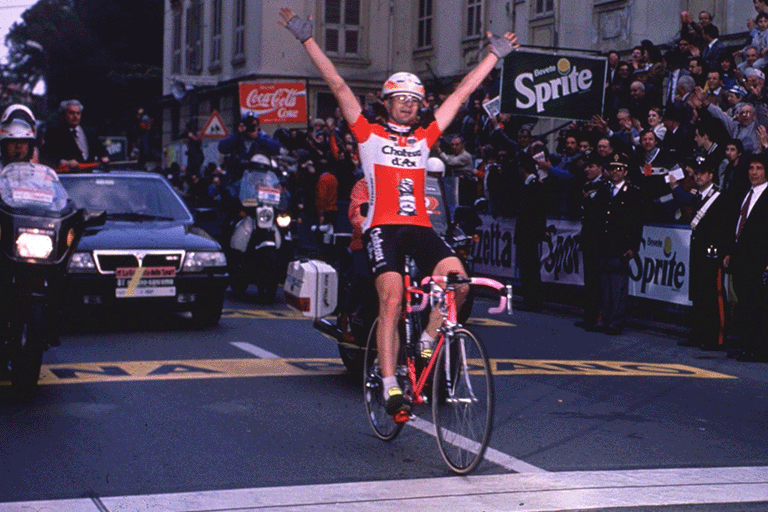
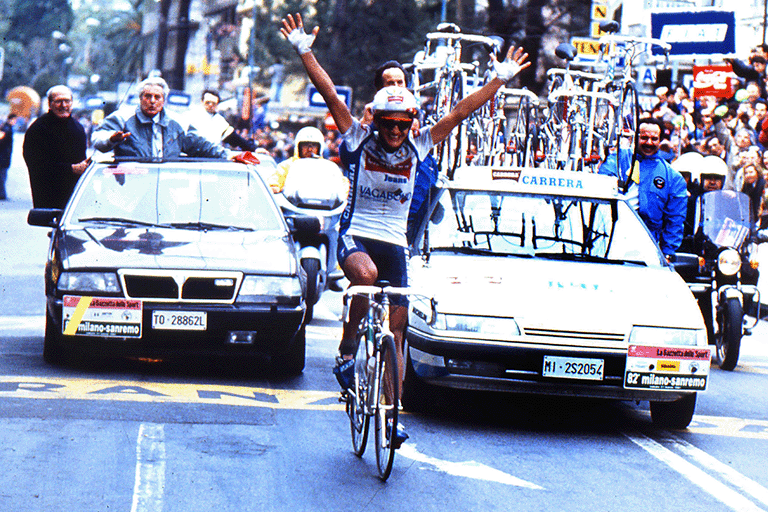
Over the years, the Poggio increasingly established itself as the key launchpad — not just the climb, but the descent as well. Sean Kelly built his two victories there, as did Laurent Fignon and Maurizio Fondriest, who won on the day his daughter was born.
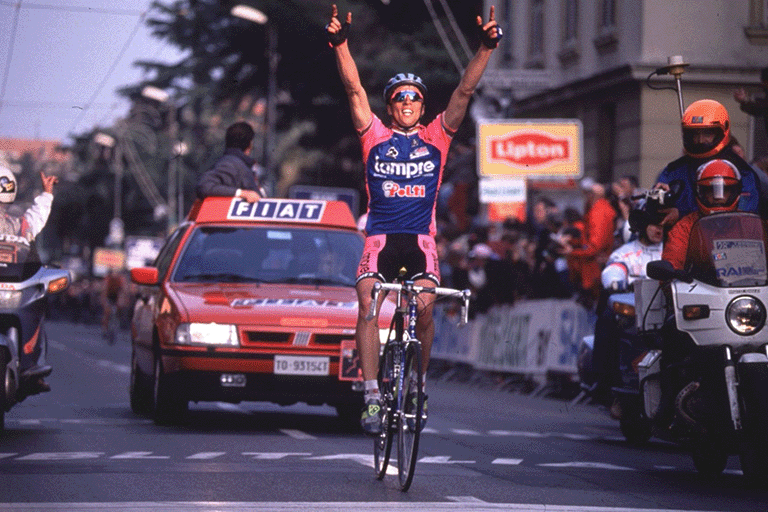
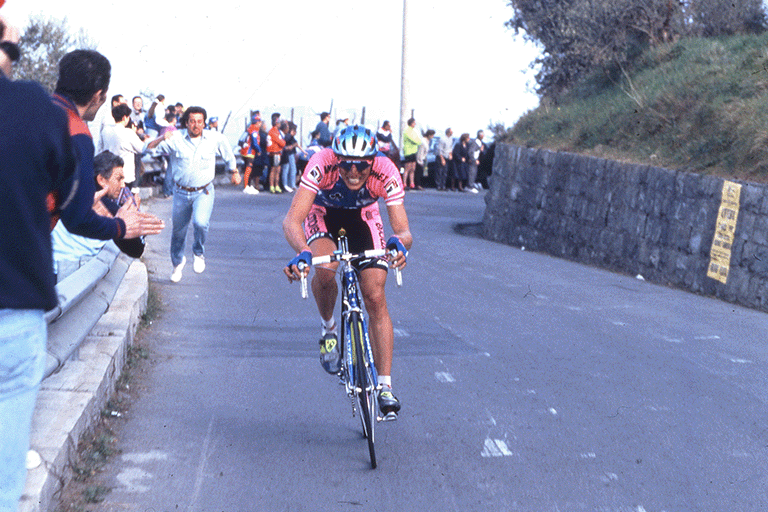
There have been unforgettable editions, like the crosswind chaos of 1990 won by Gianni Bugno, or Claudio Chiappucci’s 140 km breakaway the following year. Gabriele Colombo would remain, for the next 30 years, the last rider to win with an attack on the Cipressa in 1996.
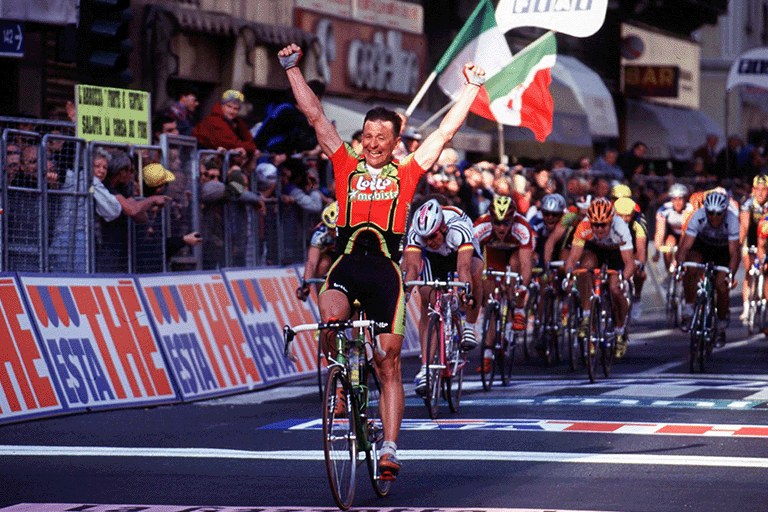
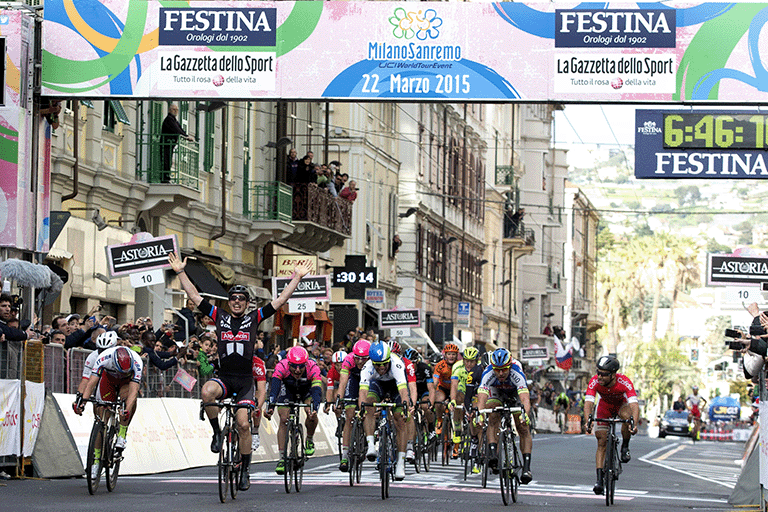
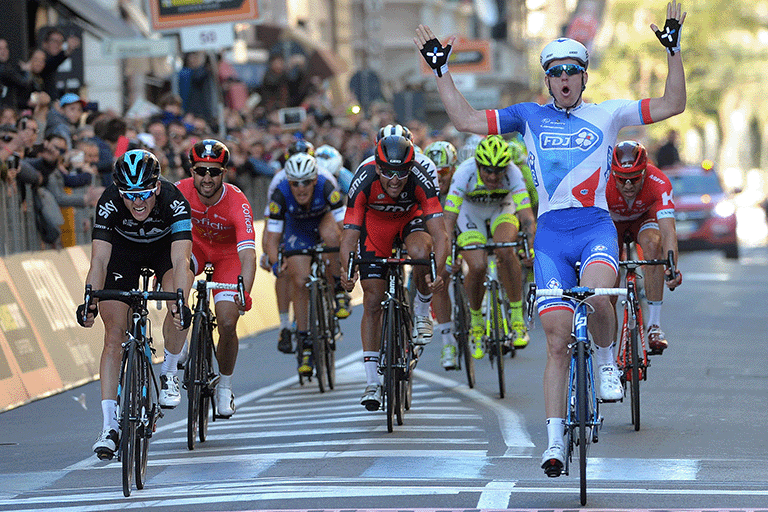
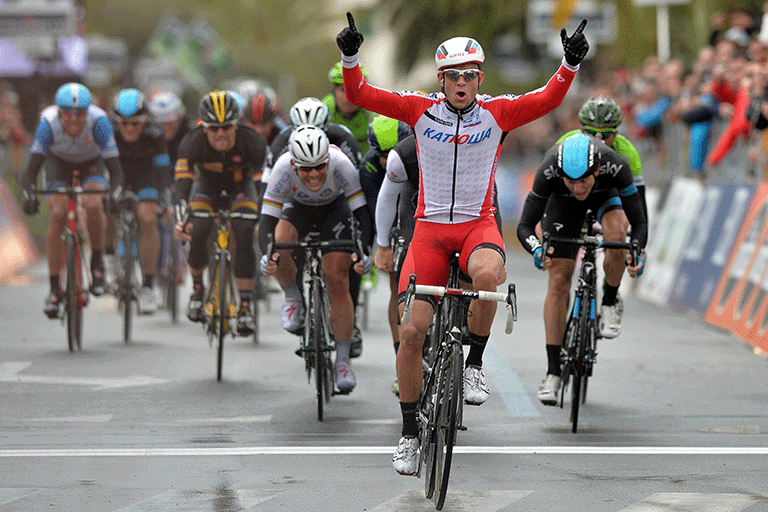
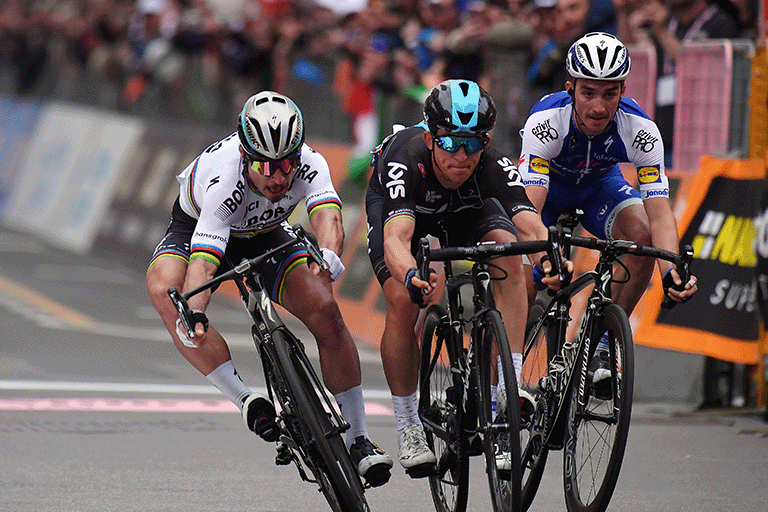
Between the late 1990s and early 2000s came the era of the great sprinters, led by Erik Zabel, who won four times between 1997 and 2001, only denied by Andrei Tchmil’s finisseur move in 1999. Then came victories for Mario Cipollini (2002), Alessandro Petacchi (2005), Mark Cavendish (2009), Alexander Kristoff (2014), John Degenkolb (2015) and Arnaud Démare (2016), along with Óscar Freire’s remarkable hat-trick in 2004, 2007 and 2010.
hall of fame
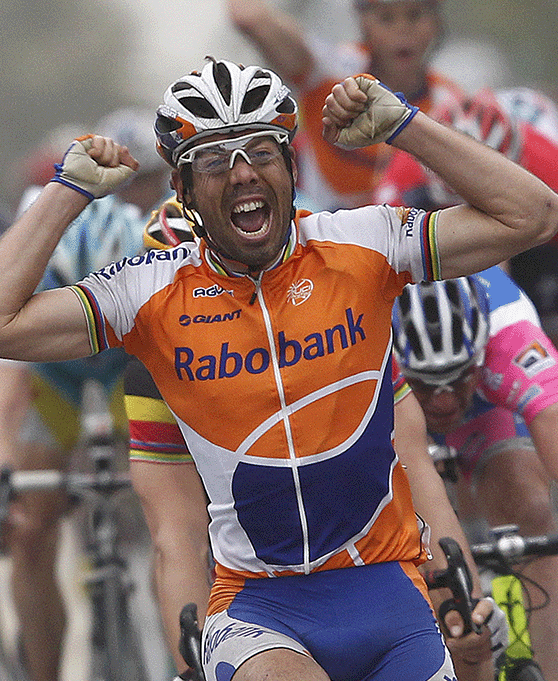
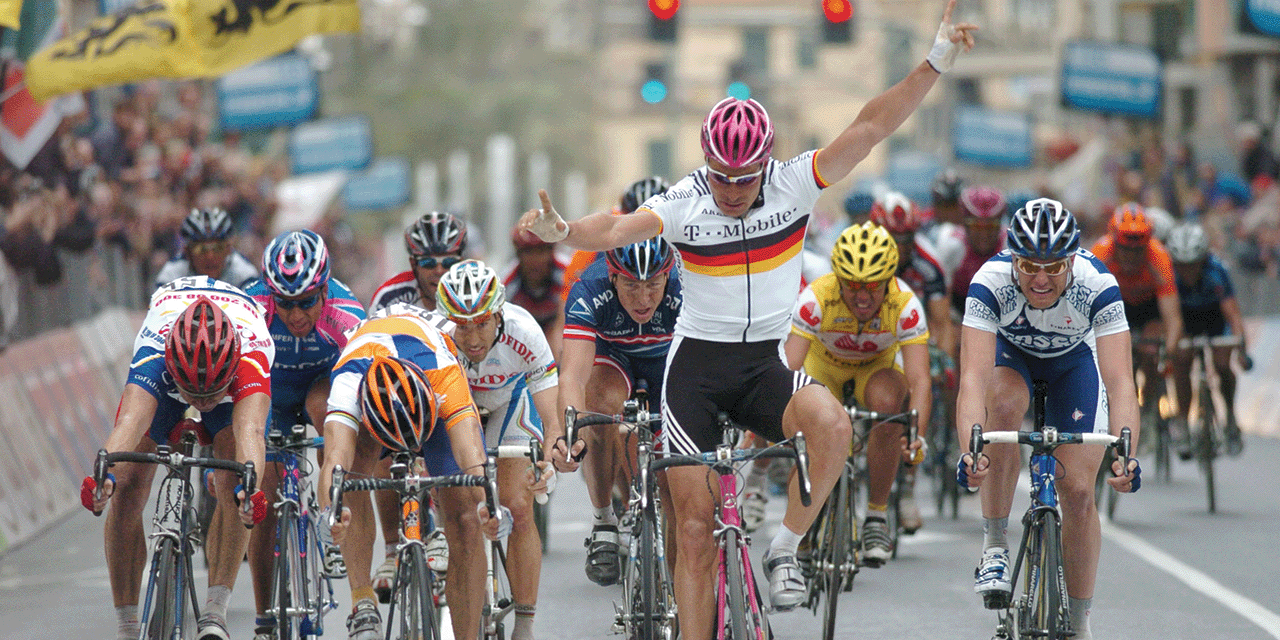
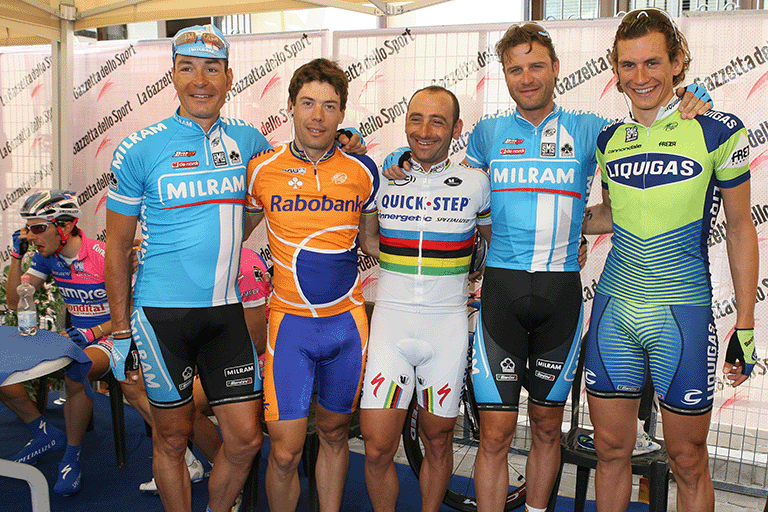
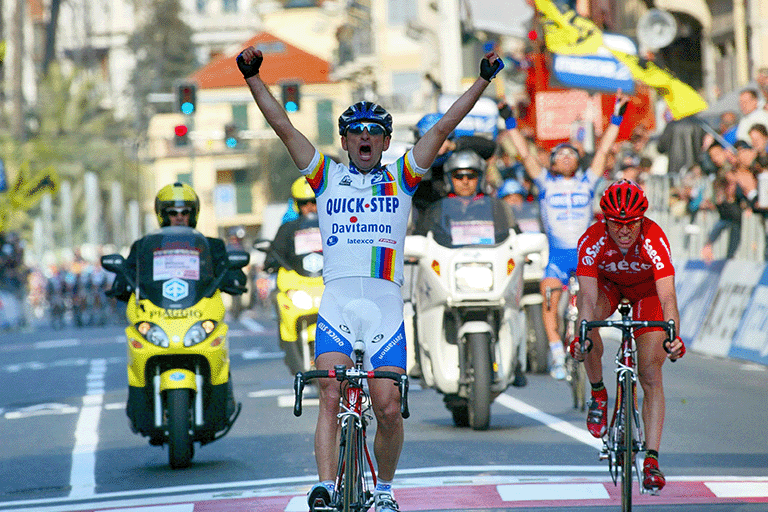
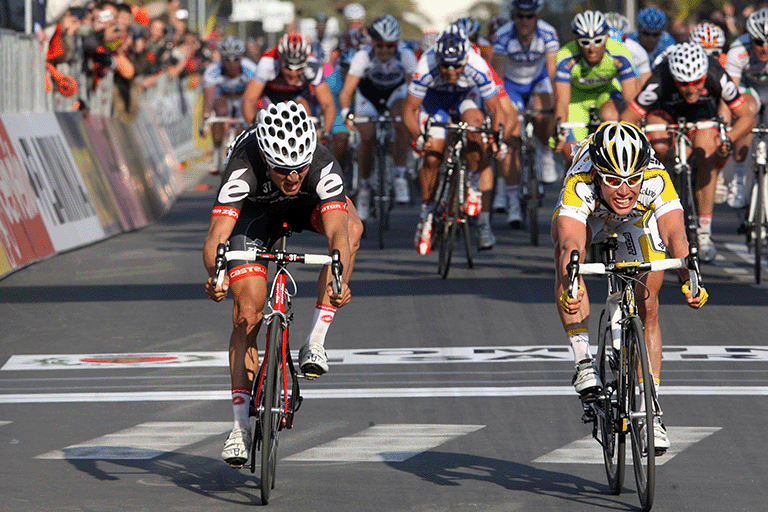
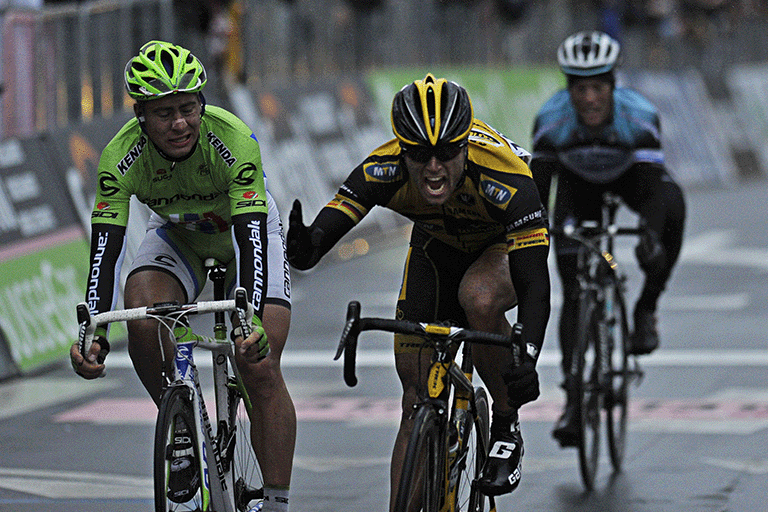
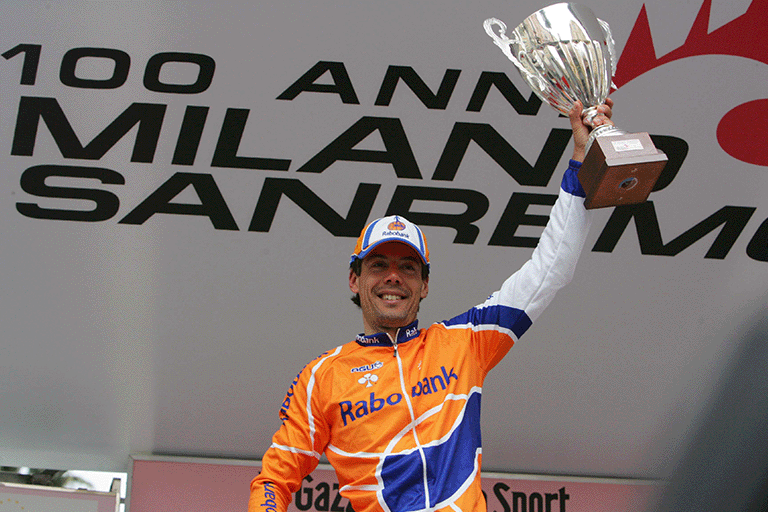
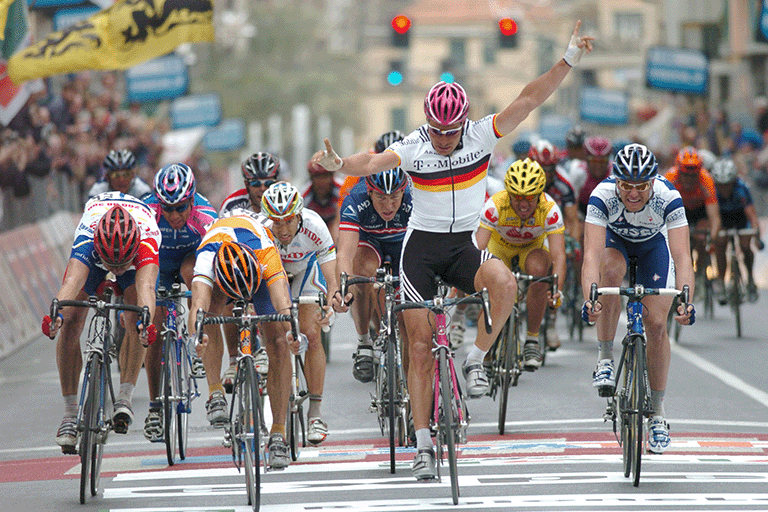
One of the most dramatic victories in recent Milano-Sanremo history undeniably belongs to Óscar Freire. His first, in 2004, was decided by just 11 thousandths of a second. Erik Zabel, convinced he had won, had already raised his arms after four previous victories, but he had not accounted for Freire’s instinct and killer finish. Positioned perfectly on Zabel’s wheel, Freire surged in the final metres to claim his first Monument. “Sanremo can be lost at any point over the 300 kilometres, but it is won only in the final kilometre,” was his mantra. He would go on to win again in 2007 and 2010, both times from reduced bunch sprints. He may not have had the highest top speed, but after long, demanding races he always knew how to deliver. Three Milano-Sanremo titles and three World Championships are no coincidence.