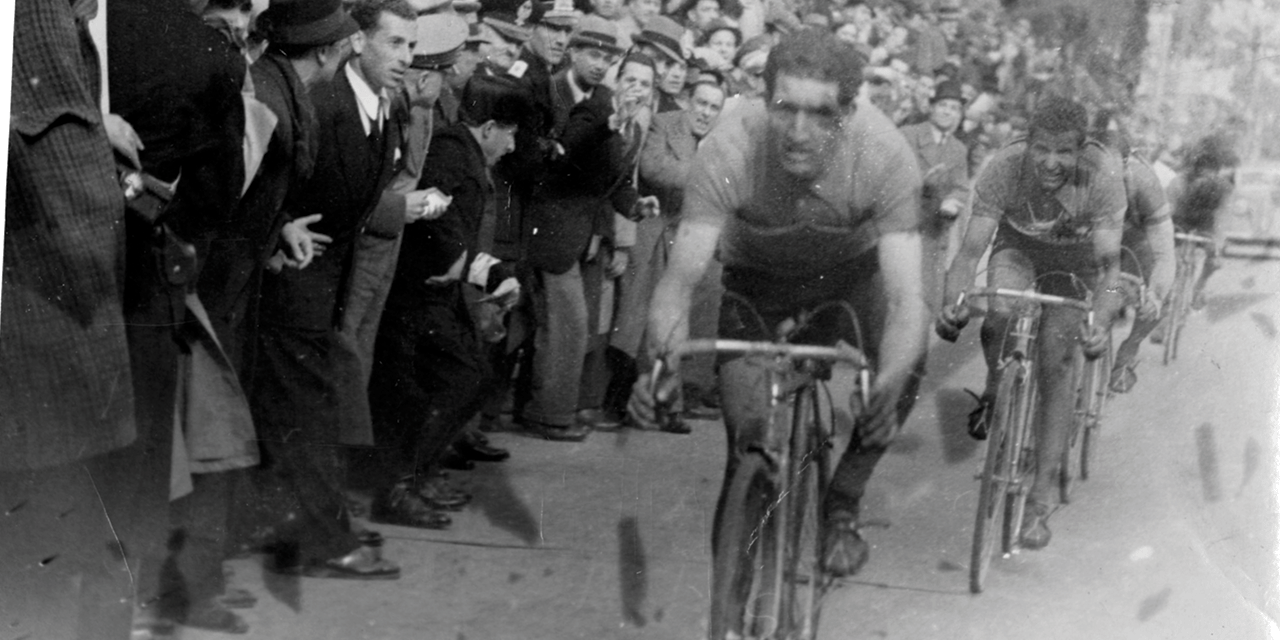
Between Wars and Myths.
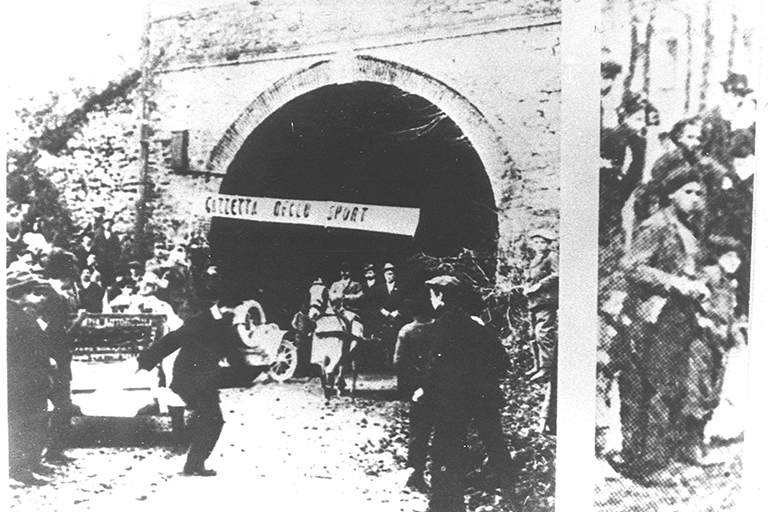
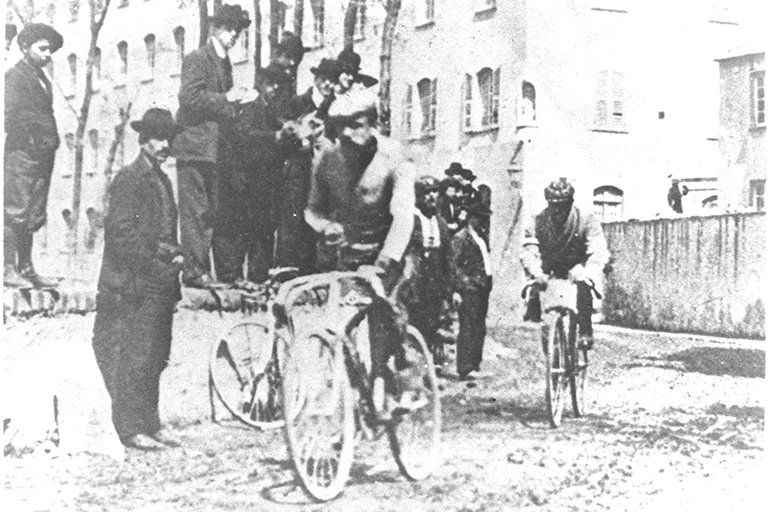
Believe it or not, Milano–Sanremo could have been a car race: in 1906 the organizers from La Gazzetta dello Sport tried it in two stages, Milano–Acqui and Acqui–Sanremo, but the event turned out to be a failure by their own admission, so the following year they switched to bicycles.
The race started from the Conca Fallata inn in Milan, along the Naviglio Pavese, and was won by the Frenchman Lucien Petit-Breton. It was a success, capturing the public’s imagination, and the brutal 1910 edition — with cold, hail, snow and only four finishers — drew even more attention.
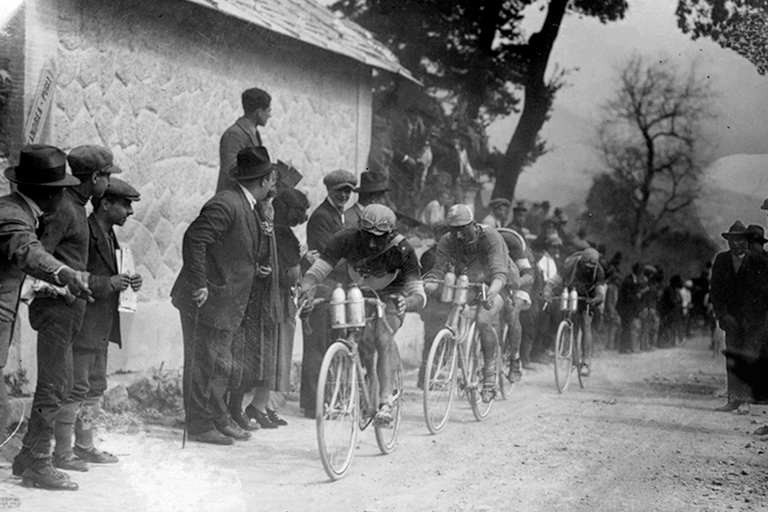
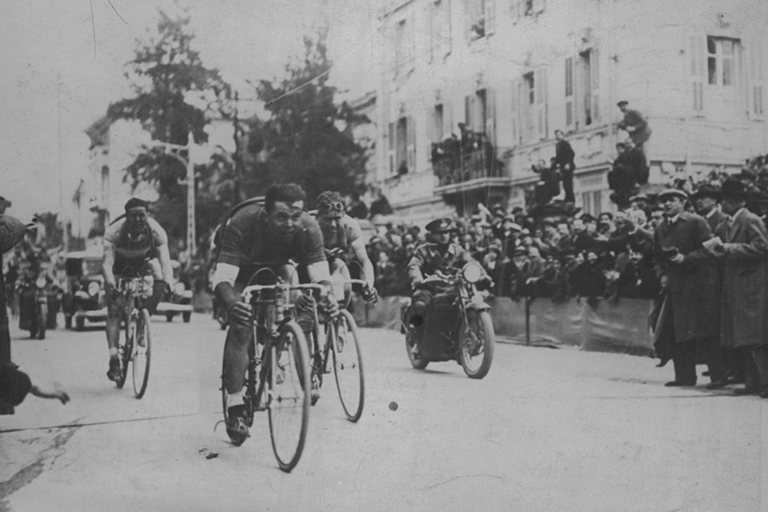
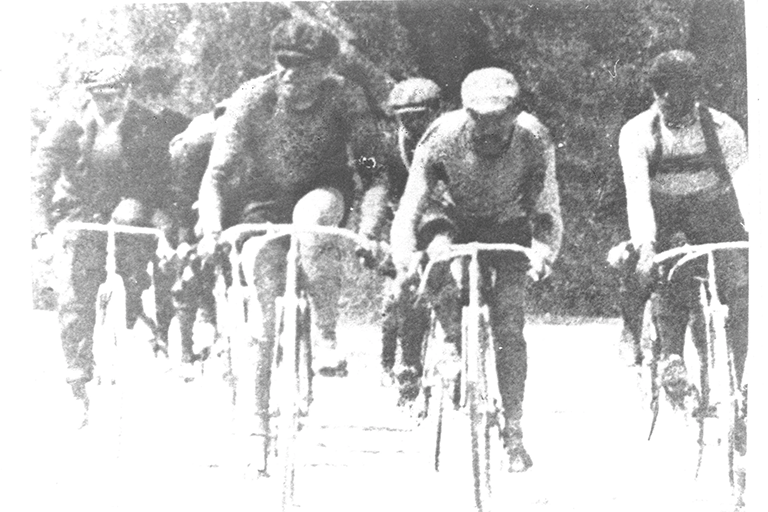
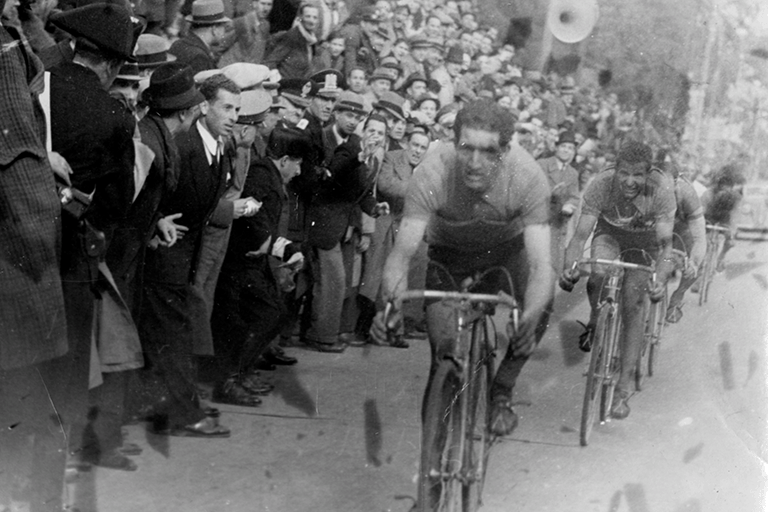
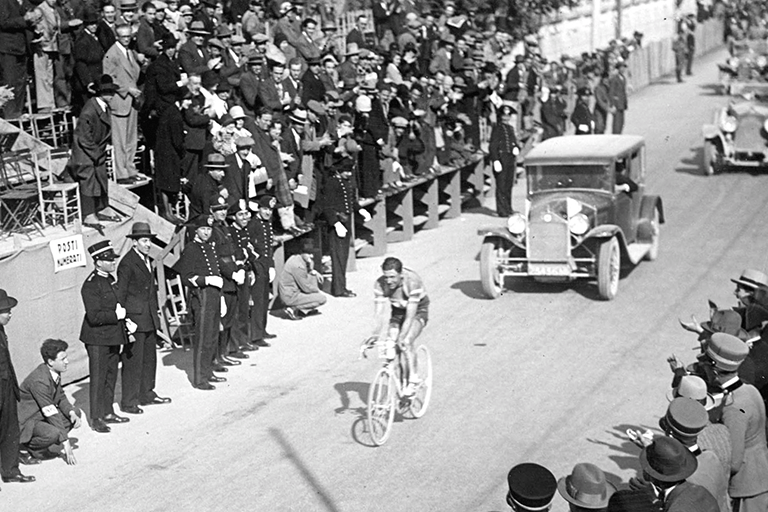
This was the cycling of pioneers, full of unlikely stories, ordinary people and extraordinary feats. Costante Girardengo brought prestige to the race with six victories, and later the endless rivalry between Alfredo Binda and Learco Guerra turned it into a truly unmissable event.
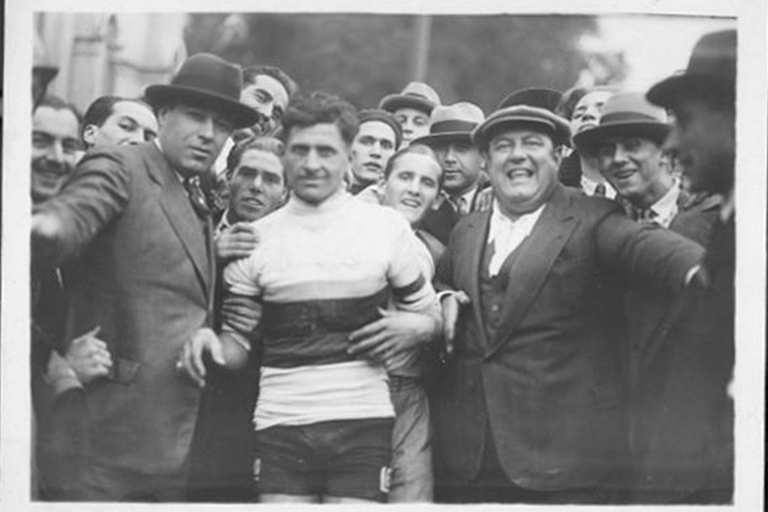
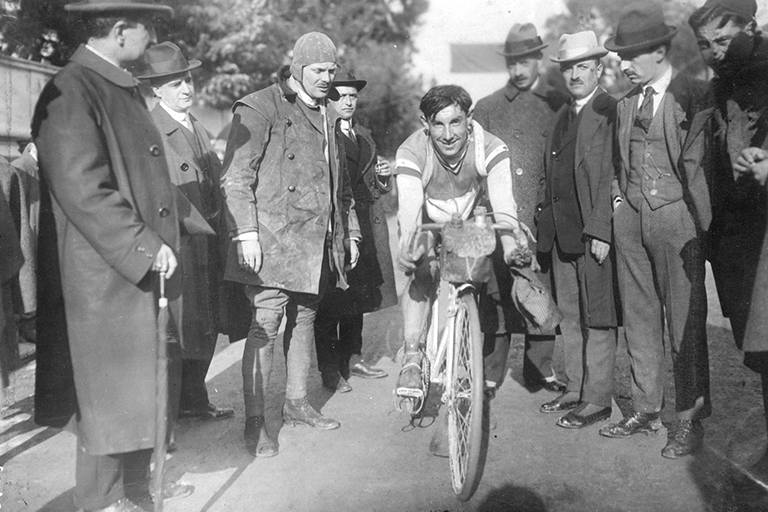
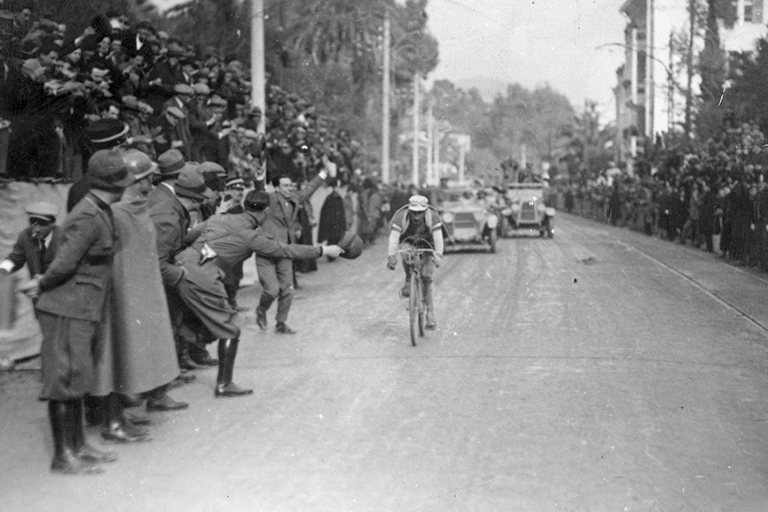
hall of fame
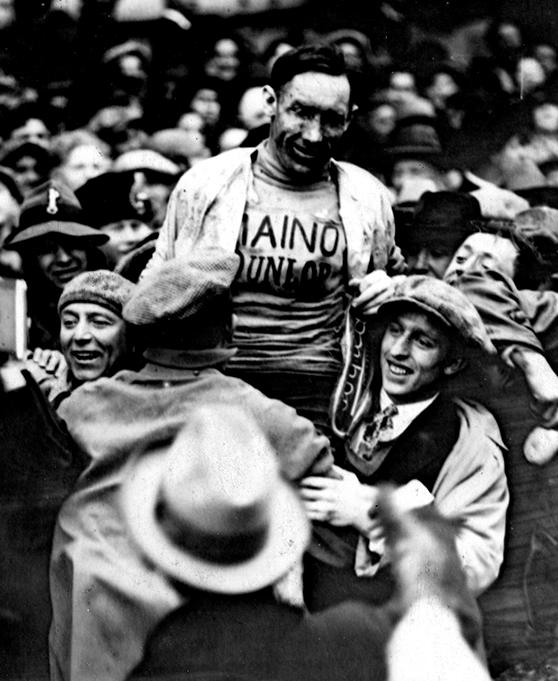
In a country wounded but rebuilding after World War I, a bolt of lightning on two wheels captured the imagination of the people. Born into a very humble family, Girardengo became the Campionissimo through sheer victories, turning into one of the first true popular sporting icons.
His six wins at Milano–Sanremo only cemented his legend: 1918, 1921, 1923, 1925, 1926 and 1928 – a record that stood until 1976, when Eddy Merckx claimed his seventh. And it could have been even more. In 1915, despite crossing the line first, he was disqualified for taking a wrong turn in Porto Maurizio. In 1922, victory slipped away after a collision with a race official just 200 metres from the finish, right in the final sprint.
His first and last wins remain the most iconic. In 1918, he delivered a staggering 200 km solo breakaway – still the longest in Sanremo history. Then, in 1928, at 35 years old, he defeated the reigning world champion Alfredo Binda in a dramatic two-man sprint, after a relentless duel of attacks and counterattacks.